
History, Themes and Characteristics of Madhubani Art

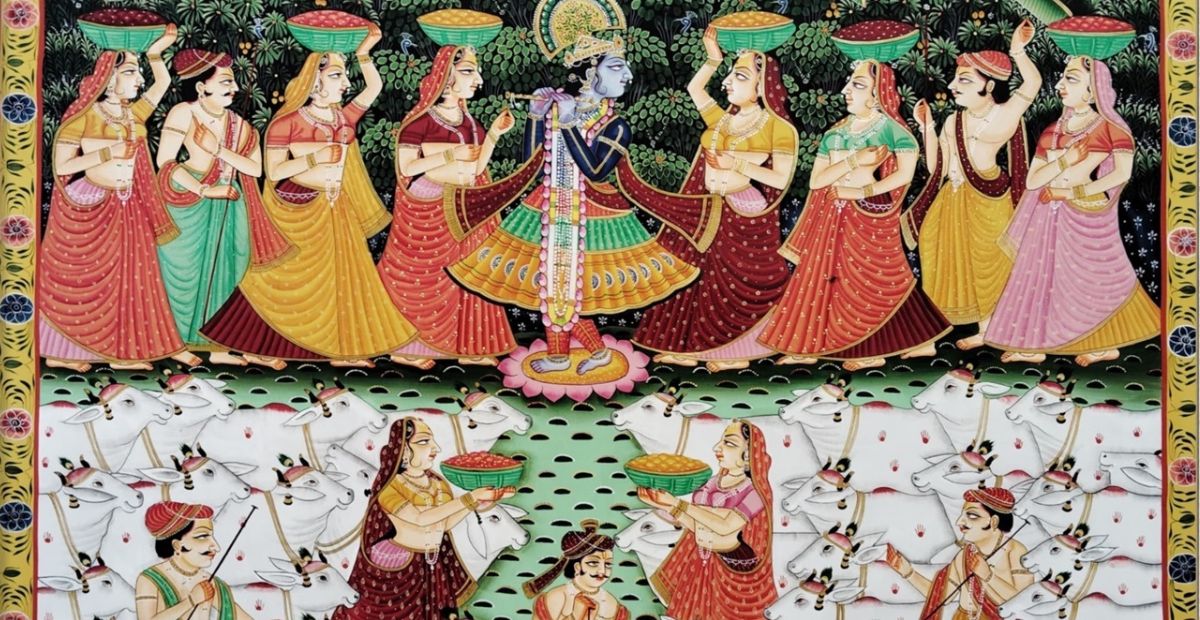
Madhubani art, often called Mithila art, comes from a place where painting was woven into everyday living, not treated as something separate or “only for display.” It showed up in real homes, around rituals, during family milestones, and across community traditions, which is why it still feels grounded and full of meaning today. What makes it stand out is not just the color or detail, but the way it holds stories, symbols, and cultural identity in a form most people can feel instantly, even if they are seeing it for the first time.
In this blog, we are going to study how Madhubani art developed over time, which themes return most often, and what visual traits make it so recognizable. We will also explore how a Handmade Madhubani Painting can be used in modern interiors, thoughtful gifting, and professional spaces, so it feels relevant today while still respecting the tradition it comes from.
Origins In Mithila
Madhubani began in the Mithila region as part of community life. It was not seen as formal “gallery art” in the way people think of art today. It was simply something families lived alongside. In many households, painting was connected to weddings, festivals, seasonal occasions, and sacred customs, so the style naturally became a shared visual language that carried familiar meaning.
One easy way to picture its early life is to imagine a home getting ready for an important family ceremony. The rooms are cleaned, the walls are prepared, and painting becomes part of the readiness, almost like setting the mood for the occasion. That is why Madhubani still feels close and personal. Even when the colors are vivid and the patterns are detailed, it often carries warmth rather than distance.
You can still notice that rooted quality in details like:
- Symbols chosen with clear intention
- Storytelling that feels passed down, not invented on the spot
- Borders that make the artwork feel complete and protected
What Gave It Meaning?
Madhubani is often explained through both cultural memory and legend, and that combination gives it a lasting appeal. One widely known belief links it to ceremonial painting created during a royal wedding, which helps explain why themes of fertility, prosperity, and blessing appear so often. But even beyond the stories, the reason for its development is quite practical. Communities needed a visual way to mark important occasions and express values that mattered deeply to them.
That is what gave the art its staying power. It was useful, expressive, and emotionally familiar. It helped people celebrate, remember, honor, and communicate through images that were easy to recognize.
In everyday terms, Madhubani became meaningful because it could:
- Make rituals feel more complete
- Turn shared beliefs into visible symbols
- Connect nature, devotion, and daily life in one composition
That is also why it does not feel random. It feels ordered, because it grew from purpose.
Visual Traits That Stand Out
One of the reasons Madhubani is so memorable is that it rarely hides its identity. The lines are strong, the motifs are clear, and the surface usually feels full of life. Empty space is kept to a minimum, and the image is built through pattern, shape, and repetition rather than through realistic depth or soft shading.
A useful way to identify Madhubani quickly is to look at the structure first. The border is often important, the motifs are arranged with balance, and the detail keeps the eye moving across the painting. It has a rhythm that feels deliberate from the beginning.
Common visual signs include:
- Bold outlines that define every form
- Flat perspective with symbolic scale
- Repeated patterns in clothing, leaves, animals, and backgrounds
- Decorative borders that feel built into the artwork, not added later
When these features come together well, the painting does more than decorate a wall. It holds attention. That is why a Madhubani Painting Handmade often becomes the part of a room people notice first.
Themes That Return Often
Madhubani returns to certain themes again and again because those themes carry emotional and cultural value. Nature appears often because it reflects life cycles, seasons, and abundance. Mythological figures and sacred symbols appear because they connect the work to devotion and inherited belief. Everyday scenes also matter, because ordinary life has always been worthy of being seen and remembered.
Some of the most familiar images include birds, fish, peacocks, lotus flowers, the sun, the moon, trees, and divine figures. These are not simply decorative choices. They often carry symbolic meaning that gives the painting a deeper presence.
Many viewers commonly understand them in ways such as:
- Fish suggesting abundance and fortune
- Lotus suggesting purity and calm
- Birds suggesting beauty, love, or movement through seasons
- Divine imagery suggesting blessing and protection
This is one reason Madhubani works well in so many settings. A floral and lotus based piece may suit a wellness room beautifully, while fish or peacock motifs may bring warmth and energy to a reception area without making the space feel overstated.
How Materials Shape Style
The character of Madhubani also comes from the way it is made. Traditionally, artists used natural colors and handmade tools, but even when modern paints and canvas are used today, the method still matters. The image is usually built patiently, with line first, then pattern, then detail. That careful order is part of what gives the art its clarity.
If someone is trying to judge quality, it helps to look beyond color alone. The strongest pieces feel composed both from a distance and up close. They do not lose discipline when examined more carefully.
A few practical signs of careful work are:
- Steady linework that feels confident
- Patterns that remain consistent across the surface
- Borders that feel intentional
- Motifs that sit naturally within the composition
This is also why many buyers browsing Madhubani Paintings Online tend to choose by theme first and craftsmanship next. It is a practical way to narrow options without losing sight of quality. In real buying situations, people may search for custom madhubani wall art for office lobby because they want a piece that feels both cultural and polished.
Where Does It Work Best?
Madhubani fits modern spaces surprisingly well because it offers both visual richness and emotional meaning. It can add identity to a professional setting, warmth to a quiet corner, or character to a room that feels too plain. The key is not simply choosing a beautiful piece, but choosing one whose mood suits the setting.
A few placements that often work especially well are:
- Reception areas that need a memorable first impression
- Meeting rooms that benefit from calm but expressive visuals
- Boutiques or cafés that want a handcrafted atmosphere
- Reading corners, studios, or meditation spaces that need depth without clutter
For example, a waiting area with neutral furniture can feel far more welcoming with one thoughtfully chosen Handmade Madhubani Painting. The room does not need a complete redesign. The artwork itself can change the emotional tone.
The same logic applies to gifting. A traditional mithila motif painting for anniversary gifting can feel more meaningful than something generic because it carries story as well as beauty. In a more personal interior, Madhubani inspired canvas decor for meditation corner can create a sense of quiet focus without feeling cold or minimal.
Bringing Tradition Into Today
Madhubani still matters because it offers more than visual beauty. Its history adds depth, its repeated themes feel emotionally familiar, and its bold visual language is easy to recognize even at first glance. When exploring Madhubani Paintings Online, the best choice is often the one that expresses a clear mood, such as calm, celebration, devotion, abundance, or nature. And when you choose a Madhubani Painting Handmade, you are choosing an artwork that suits professional spaces, meaningful gifts, and personal interiors that need warmth and character.
At Kalashree Art, our team approaches each piece with care for both the tradition behind it and the space it will eventually belong to, so the artwork feels considered, expressive, and naturally at home where it is placed. Explore our collection today and choose a Madhubani piece that brings lasting meaning to your space.
Frequently Asked Questions
1) How can beginners recognize Madhubani art quickly?
Most beginners spot Madhubani by noticing a few clear signs: strong, confident outlines; tightly repeated patterns; and borders that frame the scene neatly. The motifs are also a giveaway. Fish, lotus flowers, birds, and leafy florals appear often. Another quick clue is how “full” the surface looks, since Madhubani usually avoids large empty areas and keeps the artwork visually active.
2) Where should Madhubani paintings be placed for the best impact?
Madhubani tends to shine in spaces where people naturally pause long enough to take in the detail. Reception areas, meeting rooms, boutique feature walls, reading corners, and calm personal spaces are all strong options. For the best result, choose a size that suits the wall and the typical viewing distance, so the patterns feel clear rather than cramped or too small.
3) What should be checked before buying a Madhubani painting on canvas?
Before buying, look closely at the linework and see if it feels steady and intentional. Check whether the borders look balanced, the patterns stay consistent, and the overall layout feels well planned. Also think about lighting. A painting with strong contrast can look warmer and deeper under yellow lighting, and sharper or cooler under white lighting.
Share Post -
Related Posts
Madhubani art, often called Mithila art, comes from a place where painting was woven into

Selecting art for a luxury home is seldom as easy as spotting a pretty canvas
At first glance, a Pichwai can feel like a dream pulled onto cloth: Krishna, cows,
New beginnings are not always loud. Sometimes they look like a packed carton in a
The night is supposed to be the slowest, most pliable part of the day. In
A blank wall is not just “empty space.” It is a missed story. Many people