
Heirloom style for today’s walls begins with handmade portrait painting

Introduction
In 2025, heirloom style looks less like a museum and more like a living conversation. Rooms feel collected, personal, and calm, with one meaningful artwork quietly anchoring the space. A handmade portrait painting carries that role beautifully because it holds likeness and feeling at once. Faces tell stories, gestures suggest relationships, and brushwork records the artist’s hand.
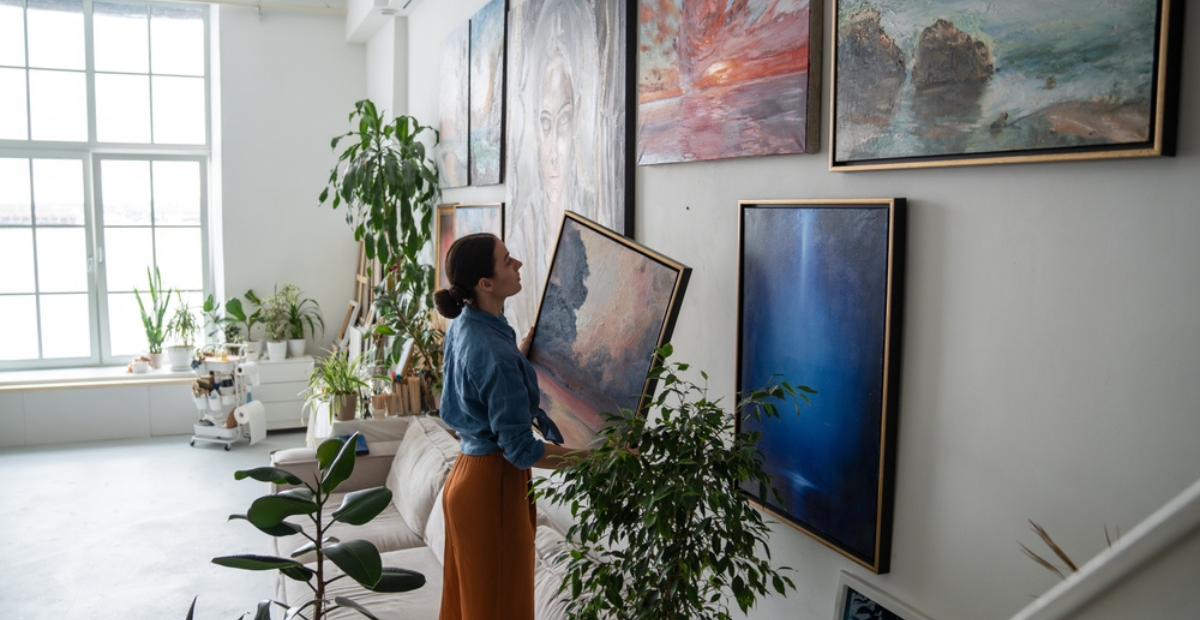
If you are curating statement pieces and planning where to place a handmade painting on wall, this guide shows how portraits fit modern homes, how to size and light them, and how to commission or select work with confidence. You will also find real-world examples that turn good ideas into practical moves for your home.
Why portraits now
Portraits are back for a simple reason. People want rooms that feel like theirs. Minimal rooms can look finished yet impersonal; portraits add authorship and warmth. Unlike highly literal decor, painterly likeness invites interpretation. A child’s sideways glance, a parent’s relaxed shoulders, or a friend’s half smile reads differently at breakfast and at dusk, which is why a handmade portrait painting stays fresh in daily life.
The texture of paint bends light across the day, so the image feels alive in a way prints cannot match. For contemporary spaces where art must be both personal and versatile, portraits offer a timeless solution that does not overwhelm the room.
Heirloom without stuffiness
Heirloom can be modern. The secret is editing and placement. A single framed canvas with a quiet palette can sit above oak shelves and linen upholstery without crowding the room. Float frames and thin profiles keep things current. When you hang a handmade painting on wall with breathing room around it, the canvas reads as sculpture and not as clutter. A long tail note for searchers fits here naturally.
Many homeowners look for a handmade portrait painting for modern living room walls when they want a personal focal point that still suits contemporary lines.
Where Portraits Belong And Bloom
Portraits thrive where people gather and where routines need a steady, human note. Try these practical placements and see how the whole room changes.
- Living room anchor
A seated portrait above the sofa acts as a calm horizon and gives the space a clear center. In an open plan, it connects conversation and quiet time by offering one point of focus. - Entry or hallway cue
A vertical canvas near the door becomes a soft welcome. It draws the eye forward and turns a pass through zone into a moment. - Bedroom companion
A small, contemplative portrait opposite the bed or on a side wall settles the room at night without competing for attention. - Workspace presence
A mid-scale likeness beside the desk, not behind the monitor, reduces screen fatigue and adds a gentle sense of company.
Some examples
A couple in a compact apartment commissioned a small portrait of their grandmother reading. Placed on a narrow hallway wall with a single picture light, the canvas turned a dim corridor into a favorite pause point. A family with tall ceilings chose a shoulder-length portrait above the fireplace. The scale balanced the room and made gatherings feel centered rather than scattered. A freelance writer created a reading corner with a chair, lamp, and a 24-inch portrait of a friend. The new routine of short breaks became natural because the painting offered a calm destination.
Proportion With Presence
Sizing a portrait is straightforward when the room sets the rules. Use this quick reference to dial in proportion, orientation, height, and spacing so the piece reads as a calm focal point from day one.
| Step | Focus | Rule of thumb |
| Size to furniture | Let the piece below (sofa, console) set the width | Aim for 60–70% of the furniture width |
| Match pose to canvas | Align the subject with canvas shape | Head/shoulders → vertical or near-square; seated/half-length → wider horizontal |
| Hang at eye level | Position for comfortable viewing | Midpoint around 145–152 cm (56–60 in) from the floor |
| Leave breathing room | Keep margins clear | Avoid tall plants or tight clusters right beside the portrait |
If the wall is extra wide or ceilings are high, go a size larger, and for clusters appoint one lead portrait and keep a comfortable gap so the eye can rest.
Color, light, likeness
Color sets the mood, light reveals texture, and likeness makes the portrait feel true to life.
- Color choices
For a modern home, echo one grounded color already present, such as oak brown, deep blue, or stone gray. Let the portrait introduce one surprise accent rather than many. - Lighting cues
Indirect daylight shows brushwork without glare. In the evening, warm LEDs around 2700 to 3000 Kelvin soften mid-tones. Angle fixtures slightly so reflections slide off varnished areas. - Likeness and spirit
Share two or three reference photos that show personality, not just a straight pose. Mention a few mood words such as calm, lively, or thoughtful. The goal is not strict photorealism but a presence you recognize every day.
If you prefer to start with ready work rather than a commission, curating handmade paintings for home that include a portrait and two smaller non-figurative pieces can build an easy mini gallery. The portrait leads; the other works echo the palette and texture.
Choosing with clarity
Whether you select in-studio or buy handmade paintings online, a short checklist keeps the process smooth.
- Surface and build
Ask for close-ups of edges and texture. Gallery wrapped edges allow frameless hanging. A float frame adds a crisp shadow gap. - Materials and finish
Look for artist-grade pigments on primed cotton or linen. Ask about varnish. Matte or satin finishes reduce glare and suit living areas. - Exact dimensions
Confirm framed and unframed sizes so the portrait fits above furniture without guesswork. - Placement test
Tape paper at the proposed size on the wall for a day and check it in morning and evening light. - Timing and approvals
For commissions, agree on a simple schedule for a rough sketch and one round of refinements. Keep feedback about feeling and posture, not micro details, to preserve freshness.
Care that lasts longer
Good care is simple. Keep canvases out of harsh direct sun and away from damp walls. Dust frames with a dry microfiber cloth and avoid sprays near the surface. When moving, lift by the frame, not the fabric. If the surface ever looks dull after many years, consult a conservator rather than attempting home fixes. These small habits protect color and structure so your portrait remains clear and calm for decades.
Final Thoughts
Heirloom style today is about connection, not clutter. One portrait placed with intention can steady a living room, offer a gentle welcome in an entry, or make a reading corner feel complete. Choose scale with the two thirds rule, let color speak to one or two materials already in the room, and give the canvas breathing space. Over time, the surface becomes familiar, the brushwork pauses you for a second as you pass, and the room keeps its balance as life changes around it.
At Kalashree Art, we present a curated selection of portrait canvases made with artist-grade materials. You can browse detailed photos and size information, check current availability, and reach out with questions about fit or shipping. If a particular palette or scale interests you, we’re happy to share what’s in stock and upcoming. Explore at your own pace and choose the piece that feels right for your space!
Commonly Asked Questions
1) How high should a portrait hang above a sofa or console?
Keep the midpoint of the canvas between 56 and 60 inches from the floor. As a width guide, aim for 60 to 70 percent of the furniture beneath so the portrait reads as a calm anchor rather than a small accent.
2) What frame style suits a modern interior?
Float frames with slim profiles feel current and add a clean shadow gap. If you prefer a frameless look, gallery wrapped edges work well, especially where walls have texture or you want a lighter visual footprint.
3) How can likeness feel natural rather than stiff?
Share two or three candid photos that capture personality in everyday light and include a few mood words such as thoughtful, bright, or relaxed. Let the artist simplify small details so the painting carries presence instead of strict photographic accuracy.
Related Posts

Madhubani art, often called Mithila art, comes from a place where painting was woven into
Selecting art for a luxury home is seldom as easy as spotting a pretty canvas

At first glance, a Pichwai can feel like a dream pulled onto cloth: Krishna, cows,
New beginnings are not always loud. Sometimes they look like a packed carton in a
The night is supposed to be the slowest, most pliable part of the day. In
A blank wall is not just “empty space.” It is a missed story. Many people