
How to Select the Perfect Abstract Painting for Your Luxury Home

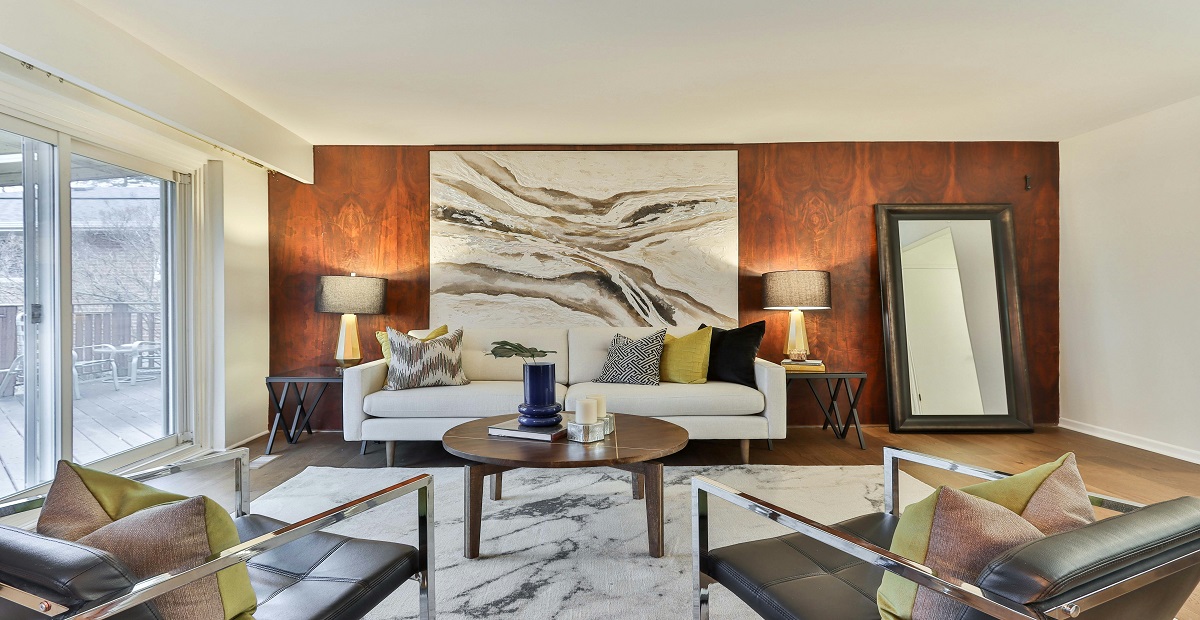
Selecting art for a luxury home is seldom as easy as spotting a pretty canvas and clicking “buy.” The right painting has to feel good with both your architecture and your life, the way you live from day to day in each room. It’s easy to consider most of these in five minutes, but it does make a difference when you see an affordable piece in person and realise how big or small it really is.
A lot of us start by perusing abstract paintings for home on our phones late at night and quickly learn that size/colour/texture functions differently when you imagine them on a wall IRL, your own living space wall even! Meanwhile, you could be snapping screenshots of modern wall decor ideas in hotels, apartments and design studios you appreciate. In there, somewhere between those sources and your own space, is a painting that can ground the room, smooth over architectural hard edges and quietly reflect your taste without clamoring for attention. This blog mediates that middle in practical, human terms.
Reading the room with care
Before falling in love with any artwork, pause and read the room that needs it. Look at how light moves during the day, where people naturally sit, and which wall actually catches the eye when someone enters. When you start wondering how to choose abstract art for living room walls, it helps to stand in the space at different times, simply noticing what already feels calm and what feels unfinished.
A long, empty wall in a hallway may need one strong statement, while a cosy seating nook might only need a narrower piece that gathers the furniture around it. Over a few days of paying attention like this, you begin to see where a painting would genuinely be used and appreciated.
One simple way to stay grounded is to explore curated abstract collections only after you’ve taken room measurements and a few quick reference photos on your phone. That way, you’re not choosing in a vacuum.
Understanding what abstraction does
Abstract work makes some people nervous because it doesn’t give an obvious story, yet that is often its biggest strength. Instead of dictating a scene, it leaves space for your own memories and moods to rise. Soft fields of colour can make a stone-heavy living room feel warmer in the evenings.
Sharper, geometric compositions can bring energy into a study that otherwise feels flat at 4 p.m. In a luxury setting, luxury wall art does not need to be loud or overloaded with detail; it needs to hold your attention in a steady, unforced way. If you keep returning to a piece without quite knowing why, that usually means it has enough depth to live with you for many years.
Colour, scale and visual balance
No matter how beautiful a work of art, if its proportions and colours disregard the space around it the two will fight. As a rough rule, the primary canvas over a sofa or console typically looks most appropriate when it covers about two-thirds the width of the furniture. This grounds the arrangement rather than allowing it to spread out.
When you’re shopping abstract paintings for home, consider how the palette will play with your flooring, upholstery and metal finishes. A room that’s already rich in pattern and texture might need a quieter gradient to bring it all together; one that’s extremely minimalist can handle a more overt composition.
A quick checklist while shortlisting options can look like this:
- Does the height of the piece suit the ceiling height?
- Will the darkest tones feel heavy or pleasantly grounding?
- Does the painting feel connected to at least one existing colour in the room?
Matching art with everyday life
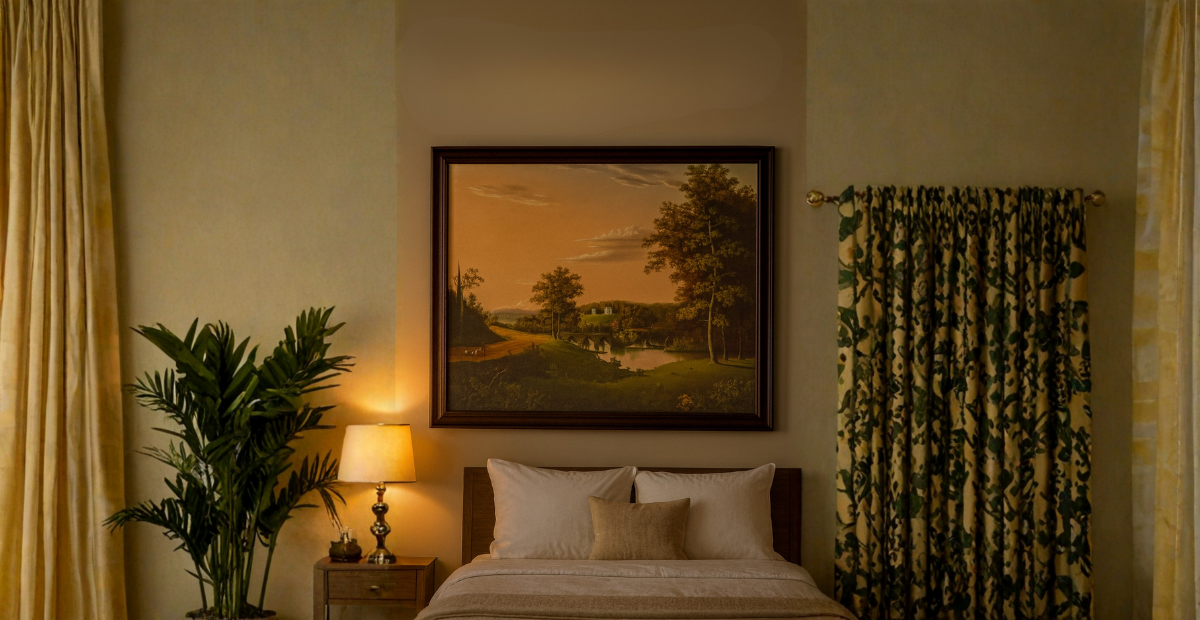
The most successful paintings are not chosen just because they look good in photographs; they are chosen for the lives unfolding around them. A Gurgaon couple, for example who wanted the last thing they saw before going to bed at night to be calm rather than busy, chose a soft, horizontal canvas for their bedroom.
The same home had a smaller, more structured work near the study desk, where a bit of visual tension actually helped them focus. When you gather modern wall decor ideas, it is worth asking how each piece might behave on a tired weekday evening, not just during a perfectly styled house tour. Over time, this kind of thinking turns your walls into a quiet map of how you move, rest, and work.
In that sense, luxury wall art is less about showing status and more about supporting the emotional temperature you want for each room.
Using art across your home
Abstract painting does not belong only above the main sofa. It can hold different roles in different corners of a luxury home. A tall, narrow canvas can draw the eye upward in an entry passage, subtly stretching a space that felt low and compressed. A softer piece in muted tones can sit beside a pooja alcove or meditation chair, helping that area feel grounded without using religious imagery. When you’re exploring how to choose abstract art for living room walls, it can also be useful to think about how other rooms might echo or contrast with that choice.
Some practical placements many homeowners overlook are:
- A serene work near the end of a corridor to guide the eye forward
- A low, wide painting above a dining sideboard to gather the table and chairs
- Two smaller pieces flanking a window seat to frame an outdoor view
Done carefully, this spreads the impact of curated abstract collections across your home, rather than crowding one single wall.
Practical steps before buying
Once you know the role the painting should play, move into practical mode. Take simple phone photos of the walls, measure width and height, and note nearby furniture. When browsing abstract paintings for home, imagine each piece in those photos instead of on a blank white background. If possible, print a small image and tape it to the wall to sense the proportion. Ask whether the work is fully hand-painted, understand how it will be framed, and clarify any care instructions, especially if the room receives strong sunlight.
A short, sensible pre-purchase list might include:
- Confirming final size, framing style, and hanging hardware.
- Checking how colours look in both day and night lighting.
- Making sure installation is feasible on your particular wall material.
Approached this way, modern wall decor ideas become concrete decisions rather than vague inspiration boards.
Choosing with confidence and warmth
Art decisions feel easier when you trust both your eye and the people guiding you. Over time, the right painting stops being a “design element” and becomes part of how you experience your own home. You might find yourself switching on a particular lamp every evening just to see the texture come alive, or pausing in front of a piece before you leave for work. Those small rituals can’t be predicted by any rulebook; they grow slowly when a painting truly belongs in a space.
At Kalashree Art, we think about that long relationship every time we create or recommend a canvas. We listen to how you describe your rooms, your pace of life, and the kind of quiet you want at the end of the day, then help you find luxury wall art that matches those needs instead of chasing a passing trend. For us, the aim is simple: to place work in your home that still feels honest, grounded, and deeply yours many years after it first goes up on the wall.
Common Queries
1) What is a good starting point for choosing an abstract painting for a main room?
Begin by observing the room without any new art in mind. Note the dominant colours, where people tend to sit or walk, and which wall feels most important. Once you understand this, look for a painting whose size and mood support that flow instead of fighting it.
2) Should all the abstract paintings in a home follow one colour scheme?
Not necessarily. It usually works well if each piece shares at least one tone with its immediate surroundings, while also introducing a fresh accent colour. This keeps the home feeling connected without forcing every room into the same palette.
3) How can I avoid choosing a canvas that I will get tired of quickly?
Spend time with shortlisted pieces rather than deciding in a single glance. If a painting continues to hold your interest on different days and in different moods, it is more likely to stay relevant in your life. Trust the works you quietly return to, even after the initial excitement settles.
Share Post -
Related Posts
Selecting art for a luxury home is seldom as easy as spotting a pretty canvas

At first glance, a Pichwai can feel like a dream pulled onto cloth: Krishna, cows,
New beginnings are not always loud. Sometimes they look like a packed carton in a
The night is supposed to be the slowest, most pliable part of the day. In
A blank wall is not just “empty space.” It is a missed story. Many people
We all know the routine: you promise yourself “just five minutes” on your phone before