
How to Style a Handmade Painting For Living Room Without Making the Space Feel Overcrowded

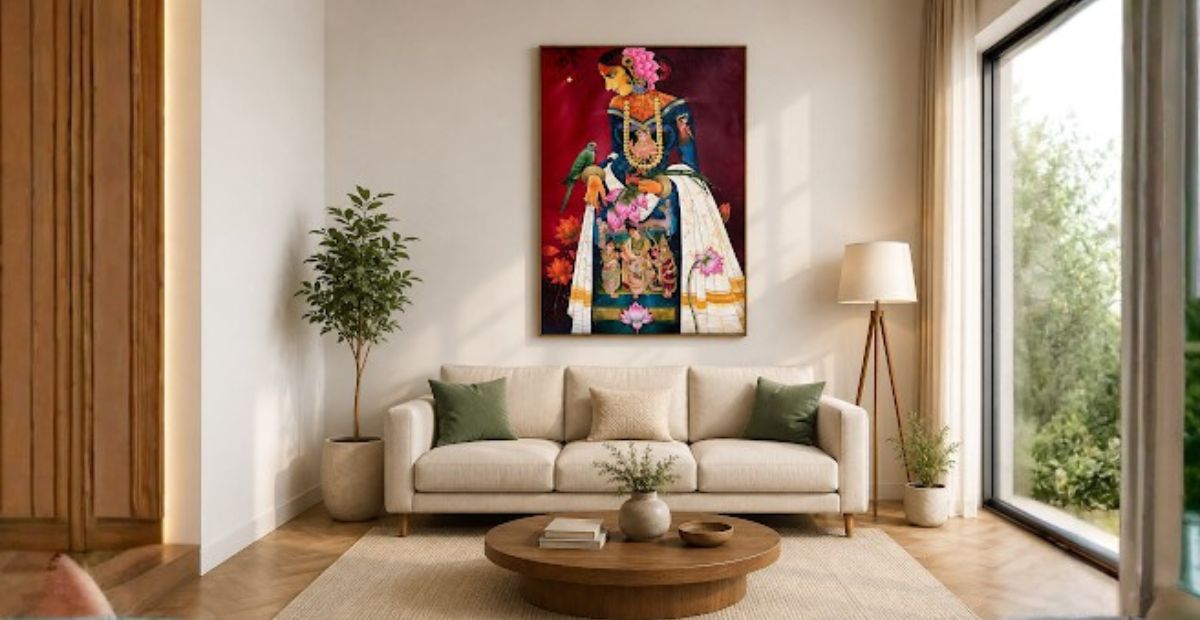
Begin With the Room's Existing Visual Weight
Good styling begins with an honest look at what is already present. Sofas, patterned rugs, shelves, curtains, plants, and lamps all carry visual weight. When a room already contains several strong details, the painting should help organise them rather than introduce another competing statement. Buyers comparing handmade paintings for living room interior should first decide whether the space needs warmth, colour, softness, or a stronger centre of attention.
Begin by noticing four practical details:
- the largest furniture pieces in the room
- patterns already used across fabrics and surfaces
- open wall areas visible from the entrance
- the strength of natural and artificial lighting
Consider a family room with patterned cushions, a carved coffee table, tall plants, and open shelving. A highly detailed artwork may make the setting feel restless, even when the painting is beautiful on its own. A calmer composition can connect the furniture without adding pressure. Starting with the room’s existing character makes the final choice feel natural, measured, and easier to enjoy every day.
How Can One Painting Keep the Room Feeling Open?
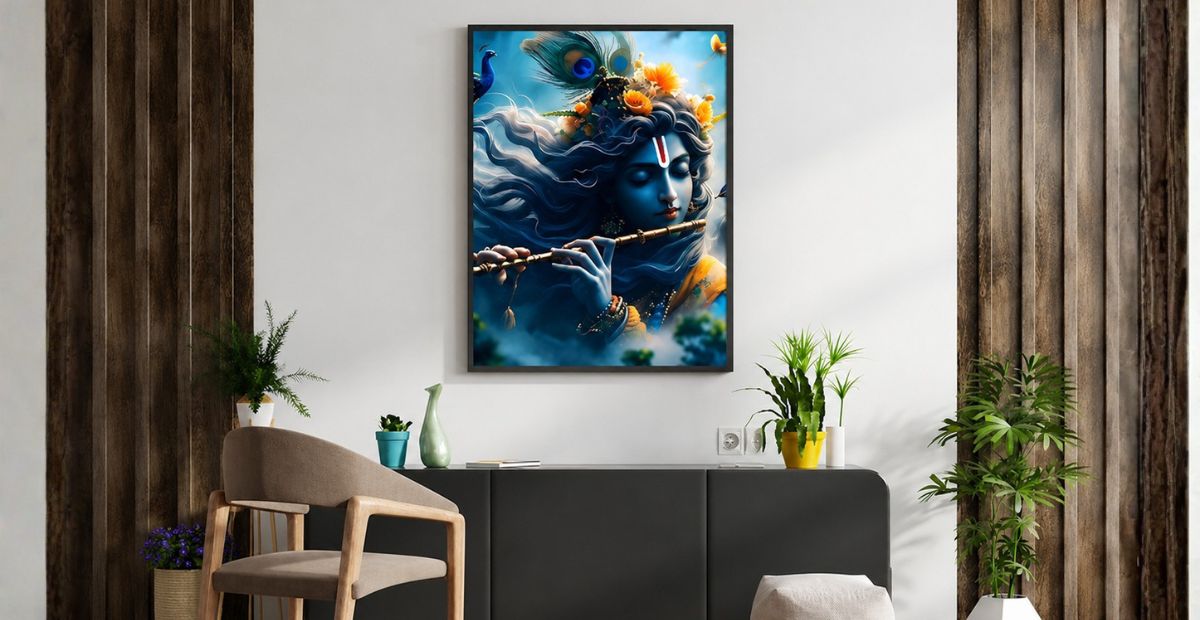
The clearest answer is to give one artwork a defined role. It might anchor the sofa, soften an empty wall, or guide attention towards a quiet seating area. A Handmade Painting For Living Room feels lighter when it has a clear purpose and does not compete with several other focal points.
A calm focal arrangement usually includes:
- one main artwork on the strongest wall
- enough empty space around every outer edge
- limited decorative objects on nearby surfaces
- a frame that suits the room’s overall weight
- clear viewing from the main seating position
When these choices are made early, the eye understands where to rest. One carefully positioned work can bring more order than a collection of unrelated objects. This approach helps homeowners, interior designers, and commercial stylists create welcoming rooms without making them appear overly decorated.
Choosing the Right Scale for the Wall
Scale affects whether art feels settled or overpowering. A very small piece may appear lost above a wide sofa, while an oversized one can make the wall feel compressed. When selecting a painting for living room wall, compare its dimensions with the furniture beneath it and the open space surrounding it.
Before making the final choice, check:
- the width of the sofa or console below
- space between the artwork and the ceiling
- distance from nearby windows and door frames
- viewing range from the main seating arrangement
- whether other wall décor will remain nearby
A simple paper test can prevent an expensive mistake. Mark the proposed width and height with removable tape, then view the outline from the entrance, sofa, and nearby dining area. Check it during daylight and under evening lamps. The right scale should remain noticeable without pressing against the ceiling, furniture, windows, or neighbouring décor.
Coordinating Colour Without Creating Visual Noise
Colour can make a room feel connected, but too many competing tones create visual noise. Artwork does not need to copy the sofa or curtains exactly. It only needs a few natural links with the surroundings. A wall painting for living room handmade by an artist, can repeat a small accent while still keeping its own identity.
Useful colour connections may come from:
- cushions, rugs, or upholstered seating
- wood tones and nearby decorative pottery
- indoor plants and natural materials
- warm or cool lighting used after sunset
Imagine a neutral room with beige seating, dark wood, green plants, and rust-coloured cushions. Artwork carrying soft greens and a small amount of rust can bring the setting together without looking overly matched. Strong contrast can work, but it should remain controlled. The goal is to create interest while allowing the larger room to remain calm.
Giving the Artwork Enough Breathing Space
Empty wall space is not wasted space. It separates important objects and gives the eye time to rest. The best handmade painting for living room is therefore not always the largest or brightest option. It is the piece that can hold attention while still leaving a comfortable margin around its edges.
To protect that breathing space, avoid:
- placing clocks too close to the frame
- filling every nearby shelf with decorative items
- hanging several unrelated pictures beside the artwork
- adding tall plants that cover important details
- pushing the painting tightly against the ceiling
This principle is especially useful in compact flats and open-plan homes. A painting surrounded by clocks, shelves, photographs, mirrors, and hanging plants may disappear into the arrangement. Removing nearby items can improve the result immediately. Breathing space allows the brushwork, texture, and subject to be noticed without making the room feel bare.
Styling Different Living Rooms With Restraint
Different rooms need different levels of visual energy. A formal sitting room may support richer colour and stronger contrast, while a relaxed family room often benefits from softer movement. A handmade landscape painting can suit a wide wall because its horizontal direction naturally follows sofas, consoles, and long seating arrangements.
Room type can guide the final approach:
- compact flats often benefit from simpler compositions
- large homes can support stronger scale and depth
- formal lounges may suit richer colours and detailing
- family rooms usually need calm, durable visual choices
- commercial lounges benefit from clear and welcoming focal art
Commercial settings also benefit from this measured approach. In a reception lounge, model flat, hotel suite, or client waiting area, artwork should support comfort without distracting from movement and conversation. A quiet focal piece can feel memorable while allowing furniture, lighting, and practical features to remain clear.
A Living Room That Feels Complete
A well-styled living room does not need artwork on every wall. It needs one clear choice that suits the room’s scale, mood, furniture, and daily use. When a Handmade Painting For Living Room has a defined purpose, suitable colours, and enough open space, it adds personality without creating clutter. The room feels complete because every visual element has room to breathe.
At Kalashree Art, our handmade collection brings together thoughtful craftsmanship, varied subjects, and artwork suited to different interiors. Each piece can be considered according to wall size, colour balance, placement, and the desired atmosphere. Whether the setting belongs to a homeowner, an interior project, or a welcoming commercial lounge, the aim is to make art feel personal, balanced, and comfortable to live with.
Frequently Asked Questions
Question: How can I tell whether a painting will overcrowd my living room?
Answer: Look at the wall together with the furniture, shelves, plants, and decorative objects around it. If the artwork has very little open space or competes with several strong features, the area may feel crowded. Testing the size with removable tape makes the decision easier.
Question: Is one large painting better than several small paintings?
Answer: One large painting often creates a cleaner and more settled focal point. Several smaller works can also look attractive, but they require consistent spacing, related colours, and a clear arrangement. In a detailed room, one carefully chosen piece is usually easier to style.
Question: Should the artwork match the sofa and curtains exactly?
Answer: Exact matching is not necessary. The painting can repeat one or two colours already present in cushions, rugs, wood, plants, or decorative accessories. A small visual connection keeps the room coordinated while preserving the artwork’s personality.
Question: How much empty wall space should remain around a painting?
Answer: There is no single measurement for every room, but the artwork should not appear pressed against the ceiling, furniture, windows, or nearby décor. Open space around the edges helps the painting stand out and keeps the wall calmer.
Question: Can handmade art work in a commercial living or lounge area?
Answer: Yes. Handmade art can add warmth and identity to reception lounges, model flats, hotel suites, waiting areas, and furnished office spaces. The most suitable choice should support the room’s purpose, remain comfortable for different visitors, and avoid interfering with movement, signage, or practical furniture.
Related Posts

KEY POINTS: Online buying becomes easier when the purpose of the artwork is clear A
KEY POINTS: Affordable art can still make a home feel thoughtful and complete A painting
KEY POINTS: Handmade artwork can give a plain room a clearer sense of identity A
A living room can lose its sense of calm when every wall, surface, and corner
An Online Art Gallery experience feels truly satisfying when it helps you do three things
Handmade Painting of Lord Krishna as a Gift of Blessings and Beauty A meaningful gift