
Original Handmade Painting vs. Prints: What Buyers Should Know


Choosing art today often starts with a simple question: should you live with a singular original or select a high-quality reproduction? Both paths can look beautiful on the wall, but they don’t deliver the same experience. An original carries the artist’s hand—its texture catches the light, its pigments shift subtly throughout the day, and its small irregularities read as proof of life. A print, even an excellent one, preserves the image without that tactile presence.
Understanding the differences matters because art doesn’t just decorate; it sets the emotional climate of a room. If your goal is restorative calm in a bedroom or a decisive statement in an entryway, the choice between formats will shape how those spaces feel. And if you’re considering a wall painting hand made, factors like scale, lighting, and framing will help it sing in your home for years to come.
The Soul of an Original
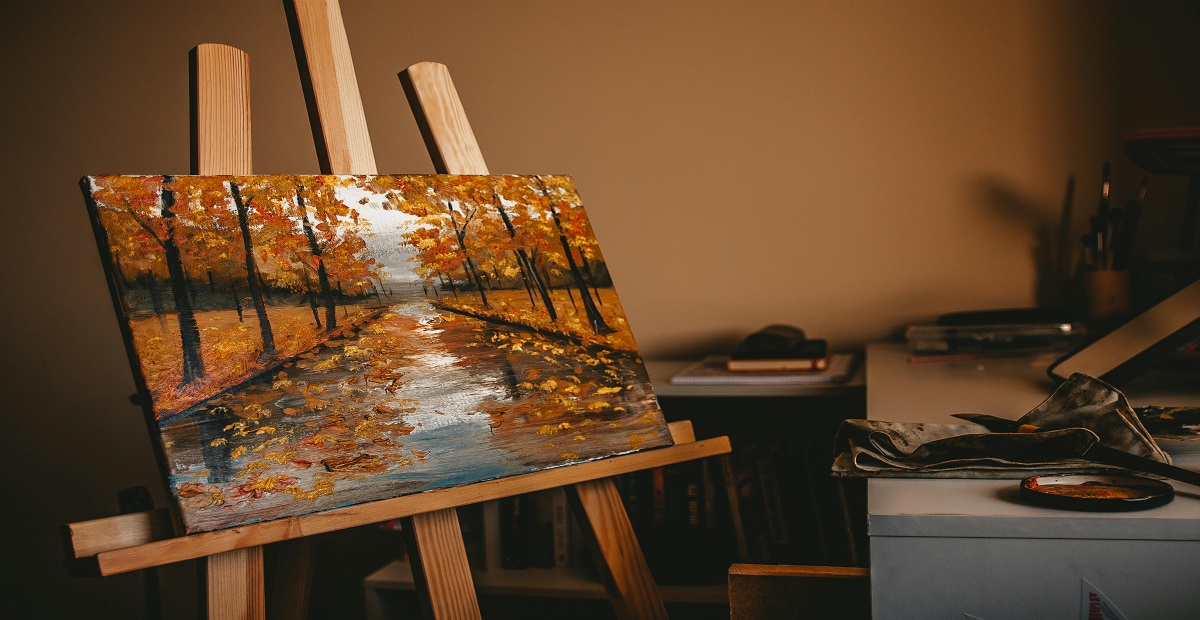
Stand within arm’s length of an original canvas and you notice what photos flatten: ridges of paint that catch a sunrise, feathered watercolor passages that dissolve into paper grain, a buried pencil line marking the artist’s first impulse. These are not flaws; they’re the fingerprints of intention. Originals invite slow looking—your eye travels along a riverbank’s edge, pauses at a cluster of trees, and then drifts across an open sky that feels deeper than the pigment itself.
Why originals feel “alive”:
- Real texture bends light differently throughout the day. Raised brushstrokes, impasto peaks, and subtle valleys catch and scatter light, so the same painting looks alive as daylight shifts. Morning sun might highlight edges, afternoon light softens transitions, and evening lamps bring out deeper shadows—giving the work a dynamic presence that changes with time.
- Minor irregularities record the movement of the artist’s hand. Tiny variations—slight hesitations, pressure differences, uneven edges, or overlapping strokes—are visual signatures of the creative process. They make the work feel handcrafted and intimate, inviting viewers to trace the gesture behind each mark and connect with the maker’s intention.
- Depth and layering add a quiet rhythm that calms busy rooms. Multiple planes of color and translucent washes build a subtle cadence, guiding the eye gently across the composition without abrupt stops. That layered complexity creates a steady visual pulse, which softens cluttered environments and offers a restful focal point amid activity.
Over time, that presence becomes part of daily life; an original rewards attention by giving something back.
Where Prints Appear in Projects
Prints are sometimes used for short-term or high-turnover spaces that require uniform artwork across many walls, such as model units or hospitality corridors.
They address logistical needs like availability and repeatability rather than emotional ones. For personal rooms where presence, texture, and authorship matter, an original painting is typically the more meaningful choice.
Value That Outlasts Trends
When planning décor that lasts, keep these guiding principles in mind:
- Choose enduring over ephemeral: Intentional decorating isn’t about chasing every new trend; it’s about selecting pieces that will still feel right in five or ten years, forming a stable visual foundation.
- Know your anchors: Originals carry built-in scarcity and can gain emotional or cultural weight over time, while other thoughtfully chosen works can offer reliable presence with less commitment.
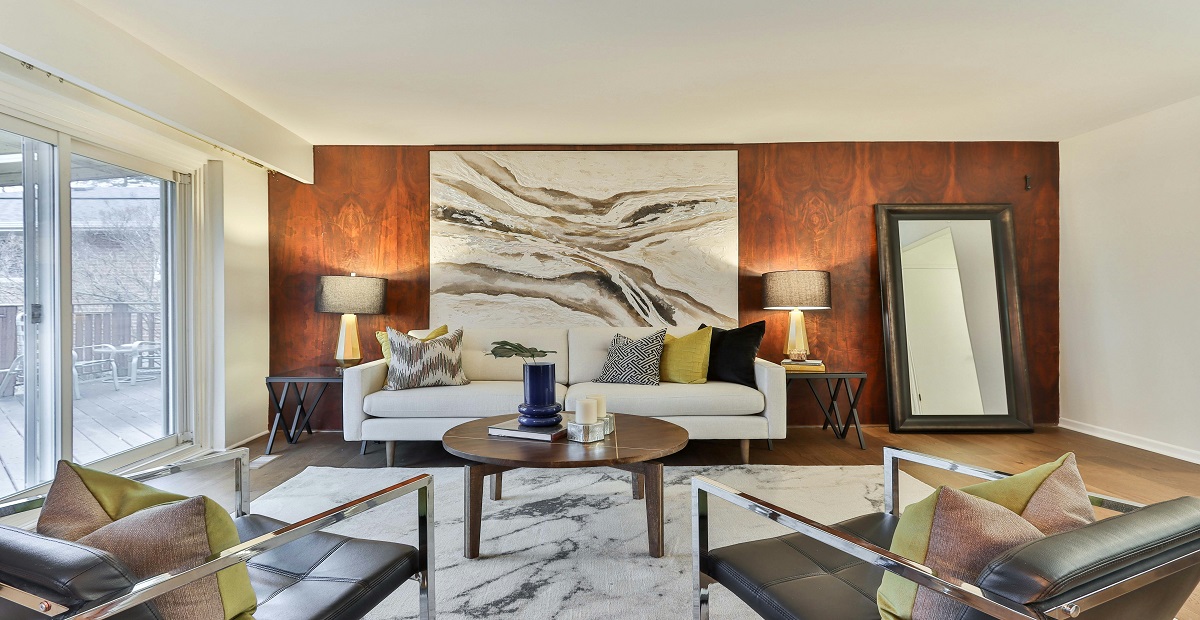
- Create a clear focal point: Whether it’s a hand made wall painting above the sofa, a calm landscape in the hallway, or a statement piece in the entry, a defined anchor gives the eye a place to rest and organizes the room.
- Layer thoughtfully around it: Let smaller elements—textiles, accessories, seasonal accents—rotate, while the primary piece remains, so the space continues to feel balanced and purposeful as tastes evolve.
- Build your collection deliberately: To buy handmade paintings well, start with one strong anchor and add supporting works over time, allowing your environment to deepen in character without wholesale upheaval.
Placement That Changes the Room
Art doesn’t just fill a wall; it calibrates scale, color temperature, and mood. Above living room seating, a panoramic canvas that spans two-thirds the sofa width makes the arrangement look purposeful and the room feel complete. In bedrooms, softer horizons and dusk palettes quiet the mind, while in home offices, a strong horizon line behind the desk suggests depth and cues mental spaciousness. Entryways benefit from decisive imagery—mountains, tree lines, coastlines—because confident forms read quickly as you pass. Lighting that flatters:
- Indirect daylight reveals surface detail and true color. Soft natural light shows texture and accurate hues without glare.
- Warm LED spots at night enrich mid-tones and reduce glare. Warm LEDs deepen mid-tones and keep contrasts gentle, making the work feel richer after dark.
- Slight fixture angles keep reflections off varnished areas. Angling lights slightly avoids direct glare, so glossy surfaces remain clear.
For renters or frequent re-arrangers, picture ledges and gallery-wrapped canvases let you shift pieces seasonally without patching walls.
Room-by-Room Design Tactics
Open plans often struggle with cohesion. One effective approach is to crown the main wall with a statement piece and then echo its palette in smaller works across dining or reading zones. The lead painting carries narrative; the supporting pieces create continuity without repetition. Compact apartments benefit from vertical compositions—think tall treelines or waterfall studies—because they lift the gaze and make ceilings feel higher.
Long hallways want a rhythm: alternate medium canvases with breathing space so the walk becomes a sequence rather than a blur. In children’s rooms, gentle landscapes calm bedtime while leaving room for imagination. When you’re ready to buy handmade paintings, these tactics turn preference into a plan.
Buying Originals Online with Confidence
Shopping remotely for art used to feel risky; now it’s practical and often delightful. Reputable galleries show high-resolution close-ups, edge photos, and short videos taken under natural and warm light. These details matter because color shifts by hour and bulb temperature. When reviewing an online handmade painting listing, scan for an artist bio, materials (archival pigments, cotton or linen canvas, professional varnish), stretcher quality, and shipping protections such as corner guards and double-wall packaging. Smart pre-purchase checks:
- Request exact outer dimensions, including frame.
- Tape kraft paper to the wall in the proposed footprint for 24 hours.
- Ask for a short light-variation video (daylight vs. evening).
This simple process eliminates most surprises on delivery day.
Conclusion
There is no single “correct” answer in the original-versus-print conversation—only the choice that best serves your rooms and how you want to feel in them. Prints offer consistency and logistical ease when projects call for it; originals offer texture, authorship, and an enduring bond that deepens as you live with them. If one wall in your home deserves an unmistakable gesture, a hand-painted canvas will provide not just an image but a presence—something to return to when you need rest, focus, or a breath of air.
At Kalashree Art, we curate originals with calming palettes, archival materials, and craftsmanship meant to outlast trends. If you’re ready to let a hand made wall painting anchor your living room—or you’d like help with sizing, lighting, or framing—we are glad to guide you. When you’re prepared to buy handmade paintings, explore the collection, ask questions freely, and choose the work that feels unmistakably yours. A single canvas can change how a room looks; the right one changes how it feels.
FAQs
1) How do I choose the right size without guessing?
Measure the furniture beneath the future artwork and aim for a width around two-thirds of that length. Mock up the footprint with taped kraft paper to test height and sightlines for a day before committing.
2) What lighting makes originals look their best?
Indirect daylight reveals surface detail and true color; in the evening, warm LED spots angled slightly off-axis minimize glare and enrich mid-tones. Dimmer switches help adapt the mood to different activities.
3) Are originals difficult to maintain long-term?
Not at all. Keep them out of harsh direct sun, avoid damp walls, dust frames gently, and handle by the frame when moving. With these basics, an original will remain vibrant for decades.
Related Posts

Madhubani art, often called Mithila art, comes from a place where painting was woven into
Selecting art for a luxury home is seldom as easy as spotting a pretty canvas

At first glance, a Pichwai can feel like a dream pulled onto cloth: Krishna, cows,
New beginnings are not always loud. Sometimes they look like a packed carton in a
The night is supposed to be the slowest, most pliable part of the day. In
A blank wall is not just “empty space.” It is a missed story. Many people