
The Meaning and Calm of Buddha Paintings: Art for Peace and Inner Balance

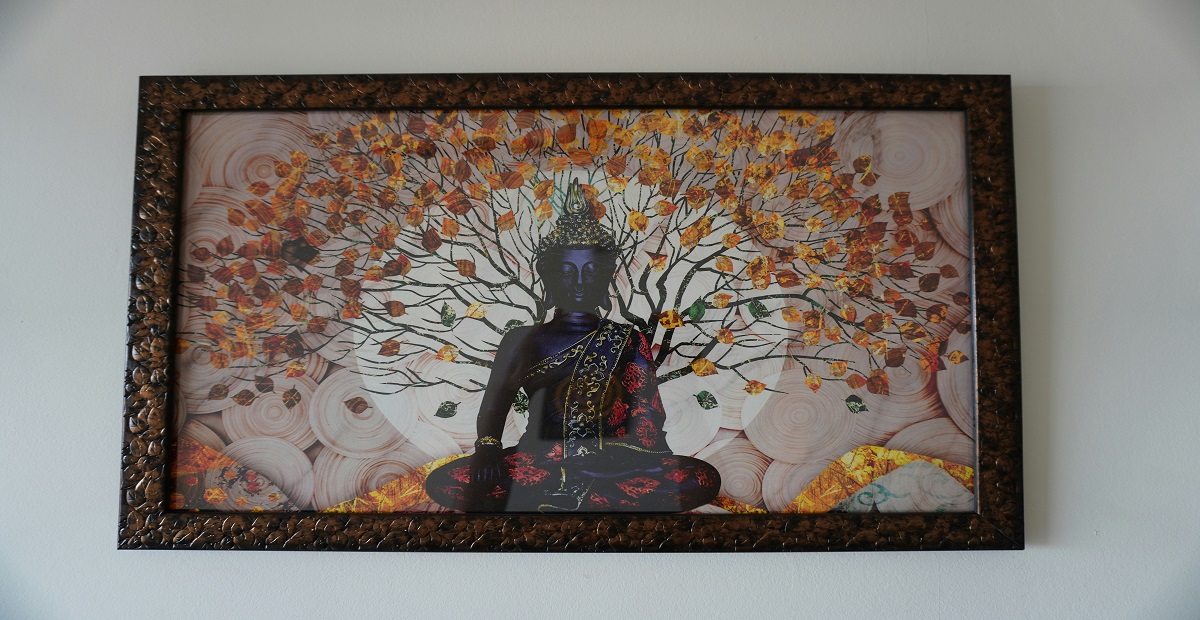
Introduction
Most of us do not look for grand philosophies when we decorate our homes. We look for something that feels right when the door closes behind us at night. Buddha paintings often enter homes in that simple way. Someone notices a calm face, a gentle colour, and suddenly imagines how it would feel to live with that quiet presence every day. Across the country, Buddha paintings India have become part of ordinary households because they speak a language people already understand, slow breathing after a long commute, a moment of silence before morning tea, a reminder that not every thought needs a reaction.
Art like this does not shout. It waits. As spiritual wall art, it fits beside modern furniture, children’s laughter, and the daily mess of life without asking anyone to become different overnight. Many families now think of mindfulness décor the way they think of fresh air or sunlight, something that gently changes the mood without being noticed immediately.
Buddha Art for Everyday Comfort
There is a reason these paintings rarely feel old-fashioned. The face of Buddha is not tied to one generation. A college student in Delhi may see the same kindness that her grandmother saw years ago. That shared feeling keeps Buddha paintings alive beyond trends.
People often say they chose a particular artwork because it “felt like home.” One couple described how they argued less after placing a Buddha canvas near the dining table, not because the painting performed magic, but because it reminded them to pause. This is what spiritual wall art quietly does: it becomes a witness to everyday life.
Buddha Paintings in Daily Life
A home is built from small routines. The first glance after waking up, the corner where a child finishes homework, the wall you face while speaking on the phone, these moments shape our mood more than big events. Mindfulness décor works inside these tiny spaces.
Think of a shop owner opening shutters early in the morning. Before customers arrive, he sits for two minutes facing the Buddha painting above the cash counter. Or a nurse returning from night duty who looks at the calm image near her bed and feels her heartbeat settle. Such ordinary scenes explain why Buddha paintings India travel far beyond temples.
Stories Hidden in the Details
Even people who do not know the formal meanings sense that the symbols carry warmth. The lotus rising from water, the tree spreading shade, the hands resting gently on the lap, these images speak without needing translation. That is the beauty of spiritualart; it meets you where you are.
Some choose a painting because the colours match their curtains. Others choose because the expression resembles a feeling they want to learn, patience, forgiveness, or steadiness. Over time, the artwork becomes part of family memories, just like an old chair or a favourite window. Mindfulness décor slowly collects stories.
Finding Space in Real Homes
Not every house has wide empty walls like magazines show. Many Indian homes are busy, filled with calendars, switches, children’s drawings, and photographs. Yet Buddha art India manage to fit even there. A small frame beside the shoe rack can soften a crowded entrance. A vertical canvas on the staircase can make climbing floors feel less tiring.
Interior experts often say that Buddha art does not need perfect surroundings. It only needs a little breathing space. When kept away from heavy clutter, spiritual art begins to hold the room together instead of competing with it.
Where to Place Buddha Paintings
People bring these paintings into spaces where everyday emotions rise and fall, and where a little calm can make a real difference:
- In home offices where deadlines create constant tension, a calm image on the wall helps people breathe before answering the next email or joining another call.
- In tuition centres so students settle before studying, the painting becomes a quiet signal that it is time to leave restlessness outside the classroom.
- In clinics to calm nervous visitors, especially where patients wait with worries they cannot easily speak about.
- In rented apartments where families want one familiar, peaceful corner even when the rest of the house is temporary and ever-changing.
- In small shops and start-ups where owners spend long hours and need something gentle to look at between customers.
These are not decorative experiments but real choices made by real people who live busy, ordinary lives. A café owner in Chandigarh placed mindfulness décor near the billing desk because she noticed how customers arrived tired from traffic and left in a hurry; the painting, she felt, softened the mood of the whole counter. A retired couple in Kochi kept a Buddha painting on the balcony where they drink evening coffee, saying it slowly became part of their daily conversations.
Even a young software engineer in Hyderabad shared that the first thing he does after shutting his laptop is glance at the artwork beside his desk to “switch off the noise in his head.” Such examples show how naturally Buddha paintingsenter daily life, not as formal symbols, but as quiet companions to routine moments.
Choosing Without Confusion
Buying art can feel intimidating, yet it does not need expert knowledge. The simplest rule is to notice your own reaction. If the image makes your breathing a little softer, it is probably the right one. Handmade pieces often carry gentle imperfections that feel alive, something true spiritual wall art should have.
Think about the wall that will hold it, the morning light, the height of the sofa, the colours already living in the room. When these small details are considered, mindfulness décor stops being an online purchase and starts becoming part of the home’s character.
A Gentle Closing
Perhaps the greatest gift of such art is that it asks nothing in return. It does not demand rituals or promises. It simply stays present while life moves around it. People may still hurry, worry, and argue, yet a single glance at Buddha paintings can remind them that calm is always nearby. That quiet reminder is often enough to change the direction of a day.
At Kalashree Art, we try to treat every painting as a future member of someone’s household rather than as stock on a shelf. We spend time selecting works that feel honest and warm so that our spiritual art can live comfortably in real, imperfect homes.
We enjoy hearing how a piece from us found a place above a study table, beside a grandmother’s chair, or near a window where evening light falls. With our range of mindfulness décor, we hope to offer artworks that grow with your routines, your celebrations, and even your difficult days, becoming companions rather than mere decoration.
Some FAQs
1) Can Buddha paintings be kept in everyday family spaces?
Absolutely. Buddha paintings India are meant to live with ordinary routines, near dining tables, study desks, or living rooms, where people spend real time.
2) Do I need a separate meditation room for this art?
No. Spiritual wall art works beautifully even in small apartments. A simple, clean corner is enough for the painting to create a calm focus.
3) How do I keep the artwork looking good for years?
Place mindfulness décor away from direct sunlight and heavy moisture, clean it gently with a dry cloth, and avoid overcrowding the surrounding wall.
Share Post -
Related Posts
Introduction Most of us do not look for grand philosophies when we decorate our homes.
Most sizing mistakes happen for a simple reason: people choose a painting they like first,
Madhubani art, often called Mithila art, comes from a place where painting was woven into
Selecting art for a luxury home is seldom as easy as spotting a pretty canvas
At first glance, a Pichwai can feel like a dream pulled onto cloth: Krishna, cows,
New beginnings are not always loud. Sometimes they look like a packed carton in a