
How to Choose the Right Size Painting for Your Room


Most sizing mistakes happen for a simple reason: people choose a painting they like first, then try to “make it work” on the wall later. A practical painting size guide flips that order. Start by measuring the wall, noticing how far people will view the artwork from, and deciding whether the painting should lead the room or quietly support it.
When the size is right, the space feels finished, and the painting looks like it was meant to be there. In this blog, we are going to study how to choose sizes room by room, how to size art above furniture, and how to decide between one large piece or a set. Along the way, you will see realistic examples of how canvas paintings are used in professional settings and everyday interiors.
Start With Wall Measurements
Before you think about style, take two minutes to look at the wall like a planner, not a shopper. “Wall space” is not always the full wall. It is the clean area your eyes actually register after you account for doors, shelving, switches, tall plants, and furniture edges.
A simple method that works in most rooms is to aim for artwork that fills roughly two thirds to three fourths of the open wall width. It gives the painting presence without making the wall feel crowded. If you want to be sure, use painter’s tape to mark a rectangle at the size you are considering. Step back to the doorway. Sit where you normally sit. You will know quickly if it feels right.
Helpful checks:
- Measure the open wall area, not the whole wall
- Tape a rectangle outline to preview the size
- View it from the main entry point and the main seating spot
If you are working with a narrow passage, a taller vertical format often reads better than a wide one. It adds height without tightening the walkway visually.
Get The Hanging Height Right
Even a perfectly sized painting can look “off” if it is hung too high. This is common above sofas and consoles. People tend to hang art closer to the ceiling because it feels tidy, but the room does not read it that way. It reads it as disconnected.
A practical rule is to place the center of the artwork near eye level for the way the room is used. In a hallway, most viewing is while standing. In a lounge or meeting area, people are seated more often, so the center typically needs to sit a little lower.
To avoid awkward placement:
- Keep the artwork’s center close to typical eye level
- Leave a comfortable gap above furniture, but do not float the piece
- Avoid “ceiling chasing” unless the wall is very tall and the piece is large
A real example many people recognize: a medium canvas over a sofa looks small and distant because it is hung too high. Lowering it slightly can make it feel grounded and more substantial without changing the painting at all.
Match Paintings To Furniture Width
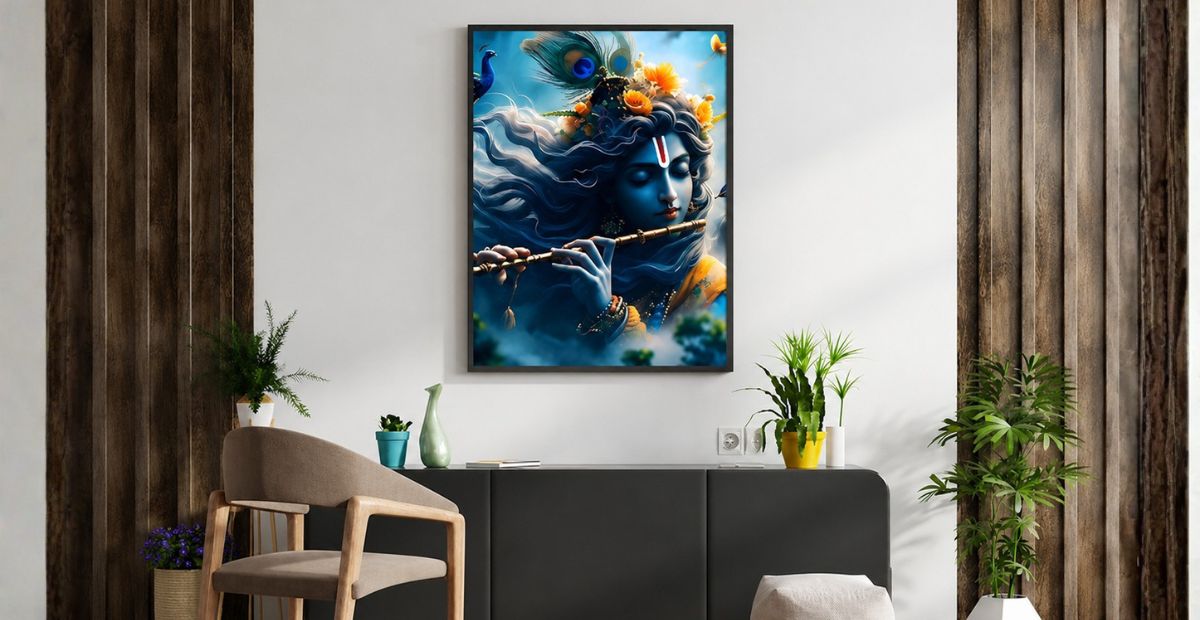
This is where size decisions become clear. When a painting sits above a sofa, headboard, or credenza, the furniture underneath acts like a visual anchor. If the artwork is too narrow, it can look like it is drifting. If it is too wide, it can feel like the furniture is squeezed.
A dependable reference point is this: aim for artwork that is about two thirds the width of the furniture below it. That applies whether it is one large canvas or a pair of pieces.
Practical pairing guidelines:
- Above a sofa: one large piece or two medium pieces with an even gap
- Above a console: keep the artwork wider than the lamp footprint
- Above a headboard: size to the headboard width, not the mattress
If you are styling a main seating wall, a Handmade Painting For Living Room usually looks best when it has enough scale to hold the space. In open-plan rooms, small pieces often get visually “lost” because there is so much surrounding volume.
Choose Sizes Room By Room
Different rooms ask for different energy. A living room can handle a larger focal point because it is a social space. Bedrooms often feel better with calmer proportions. Dining rooms usually need artwork that holds attention without competing with the table. Offices and reception areas benefit from pieces that look confident and intentional.
A useful way to decide is to ask what you want the painting to do in that room. Should it welcome people, soften the mood, or create a clear feature?
Room-based size thinking:
- Living room: medium to large pieces that balance the main furniture wall
- Bedroom: medium works that feel restful, often above a dresser or headboard
- Dining area: a strong focal piece on the main wall, or a balanced pair
- Entryway: vertical formats that create height and presence
Real-life detail that matters: lighting changes what “size” feels like. In a bright room with strong daylight, a small painting can disappear visually. Going slightly larger helps the artwork remain noticeable throughout the day.
This is also why people who plan to Buy Canvas Paintings Online should measure first. Product photos can make a canvas look larger than it will feel on a wide wall.
One Statement Piece Or A Set?
Some walls want one confident piece. Others look better with a set that creates rhythm. The right choice depends on the shape of the wall and the mood you want.
A single large painting works well when the wall is centered and you want one clean focal point, such as behind a sofa or in a reception space. A set often works better on long walls or transitional spaces where you want movement rather than one heavy visual “stop.”
When a set is a smart choice:
- Long corridors that feel empty or repetitive
- Stair walls where pieces can follow the upward line
- Office hallways where variety helps the space feel warmer
When one large piece is the better move:
- A feature wall behind the main seating area
- A reception wall where you want one clear point of focus
- A quiet corner where the painting should carry the atmosphere
Many people search for best size canvas painting for above sofa wall because that is the spot where sizing feels surprisingly tricky. The good news is that the two thirds width rule solves most of it.
A Simple Rule You Can Trust
If you want one rule that holds up in most rooms, use this: size the artwork so it relates clearly to the wall and to what sits beneath it. That is what turns a painting size guide into something you can actually apply.
A clean, practical approach:
- Choose artwork that fills about two thirds to three fourths of the open wall width
- If the piece sits above furniture, keep it around two thirds the furniture width
- Test the shape with tape so you can judge it at real viewing distance
Another phrase that reflects how people truly plan is room wise painting dimensions for modern interiors. Most decisions are not made in isolation. They are made by room, light, and layout.
Real example: a small studio office chooses a small “safe” canvas for a wide reception wall. The wall stays feeling unfinished. Switching to a larger canvas, or a balanced pair, makes the space feel intentional without changing the furniture.
Bringing Everything Together
The right painting size makes a room feel complete. Measure the usable wall, keep the width in proportion to nearby furniture, and check the scale from where people actually sit or walk. For a Handmade Painting For Living Room, choose a size that anchors the wall, and when you Buy Canvas Paintings Online, keep your measurements ready so it fits the first time.
At Kalashree Art, our team helps people choose sizes with real walls and real room layouts in mind, so the final piece feels like it belongs the moment it goes up. Explore our collection today and choose a painting size that brings your room together.
Frequently Asked Questions
1) What size painting looks safest on a big blank wall?
Measure the open wall area and aim for a painting that fills about two thirds to three fourths of the width. Use painter’s tape to outline the size first, then check it from the doorway and your main seating spot.
2) How do I choose the right size painting above a sofa?
A good target is about two thirds of the sofa’s width. If you are using two pieces, treat their combined width, plus the gap, as the total artwork width.
3) Can small paintings still work in large rooms?
Yes, but they usually look best as part of a grouped arrangement. One small piece on a wide wall often feels lost unless it is intentionally paired with other elements like a set of frames, shelving, or lighting.
Related Posts
KEY POINTS: Online buying becomes easier when the purpose of the artwork is clear A
KEY POINTS: Affordable art can still make a home feel thoughtful and complete A painting
KEY POINTS: Handmade artwork can give a plain room a clearer sense of identity A
A living room can lose its sense of calm when every wall, surface, and corner

An Online Art Gallery experience feels truly satisfying when it helps you do three things
Handmade Painting of Lord Krishna as a Gift of Blessings and Beauty A meaningful gift