
10 Black and White Abstract Art Paintings That You’ll Love

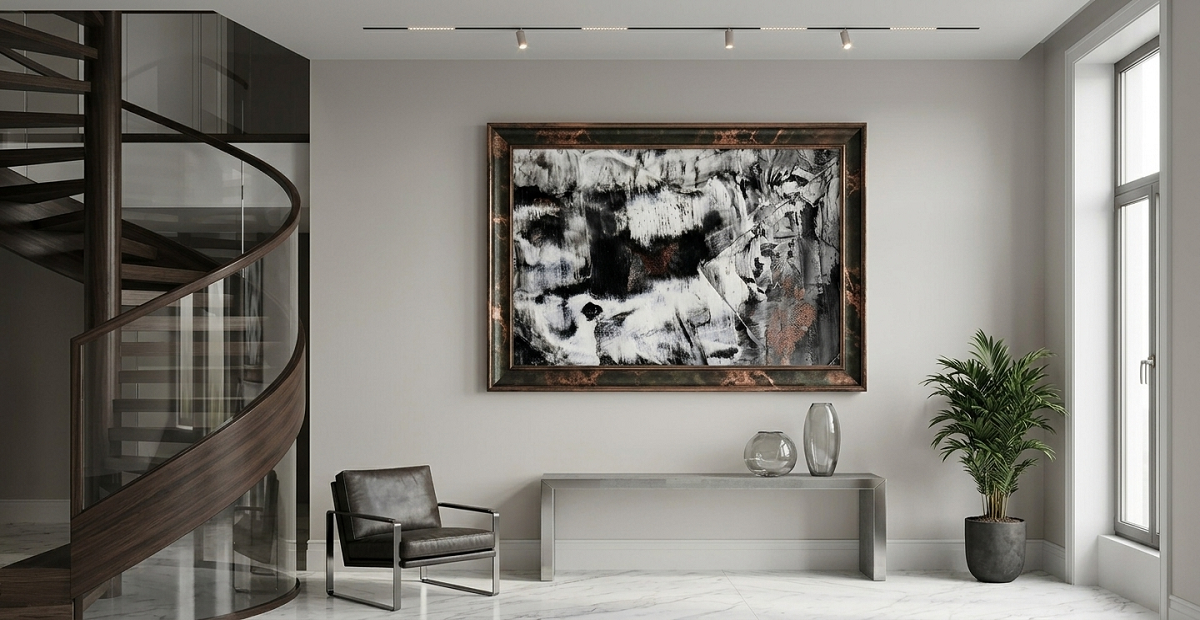
Black and white abstract art has a rare advantage: it can feel bold without being loud. In one room, it sharpens the space and makes everything look more intentional. In another, it brings calm because the palette stays disciplined even when the brushwork is expressive. The key is not choosing the “prettiest” piece.
It is choosing the one that fits your wall, your lighting, and the way the room actually functions day to day. In this blog, we are going to study how to pick black and white abstract paintings that look right in real spaces, not only in staged photos. You will see ten styles people consistently fall for, plus practical notes on placement, scale, and finish. If you are comparing Abstract Modern Art Paintings, this guide will help you make choices that feel confident and lived-in.
Why Monochrome Still Wins
Monochrome works because it gets along with the rest of the room. It can sit next to warm oak, cool marble, soft beige upholstery, or colorful accents without competing. Abstract art adds personality because it suggests movement and mood, but it does not tell you exactly what to see.
People often choose black and white abstract art because:
- It makes a space feel cleaner and more pulled together
- It stays relevant even when furniture or rugs change
- It reads clearly in daylight and still holds contrast at night
- It helps bridge mixed finishes like brass, black metal, and glass
A familiar example is a lobby or meeting room that looks “fine” but forgettable. One strong monochrome piece can give it identity without turning the space into a gallery.
What To Notice Before Buying
Two black and white paintings can look similar online, then feel completely different once they are on the wall. Before you decide, focus on three practical things: contrast, rhythm, and how busy the surface feels from across the room.
A quick way to evaluate a piece:
- Contrast: Strong contrast feels graphic and energetic. Softer contrast feels calmer.
- Rhythm: Repeated lines and shapes feel organized. Loose marks feel expressive.
- Breathing space: Some open area helps the eye rest, especially in smaller rooms.
This is also where a Handmade Abstract Painting tends to stand out. The slight variation in strokes and layers keeps the work from feeling flat or overly perfect.
Ten Styles People Love
These are ten black and white abstract styles that consistently work in real interiors. Think of them as categories. Once you know what category you want, choosing becomes much easier.
- Bold Gesture Strokes: Big, confident brush marks with visible movement. Great when a room needs energy.
- Minimal Line Flow: Simple line work with plenty of open space. Calm and very easy to live with.
- Geometric Block Balance: Squares, grids, and structured shapes. Clean and professional without feeling sterile.
- Soft Ink Wash: Smoky gradients and blended tones. Ideal for bedrooms and quiet corners.
- Textured Palette Layers: Raised paint and scraped texture that catches light. Best where you have side lighting.
- Calligraphy Inspired Marks: Strokes that feel handwritten, without being literal text. Warm, personal, and modern.
- Abstract Horizon Shapes: Landscape-like silhouettes without realism. Anchors wide walls beautifully.
- Two Panel Rhythm: A matched pair that reads as one concept. Great above wide furniture.
- Stone Vein Motifs: Thin wandering lines that echo marble or stone. Works well in sleek interiors.
- Monochrome With Accent: Mostly black and white, with a small gray or metallic touch. Subtle, not flashy.
For workspaces, black and white abstract painting ideas for modern conference rooms often lean toward geometric balance, two-panel rhythm, and bold gestures, because they stay readable from across the table.
Where Each Style Fits
A painting can be beautiful and still feel wrong if the placement does not match the room’s pace. Busy spaces often benefit from calmer art. Quiet spaces can handle stronger contrast.
Practical matches that tend to work:
- Reception walls: bold gestures, geometric blocks, textured layers
- Living rooms: abstract horizons, two-panel rhythm, accent pieces
- Hallways: minimal line flow, stone vein motifs
- Bedrooms: soft ink wash, minimal line flow
- Workspaces: geometric blocks, calligraphy-inspired marks
A real situation many people run into: a large sectional sofa with a wide, empty wall behind it. People search how to place monochrome abstract art above a sectional sofa because the wall can swallow small artwork. A helpful rule is to choose art that spans about two thirds of the sofa’s width and hang it low enough to feel connected to the seating.
Texture Or Smooth Finish
Texture changes the entire feel of monochrome art. Smooth pieces look crisp and graphic. Textured pieces feel warmer because light interacts with the surface.
Choose smoother work when:
- The room already has texture in rugs, curtains, or paneling
- You want a sharp, clean look
- The wall is narrow and you want it to feel light
Choose textured work when:
- The space feels flat and needs depth
- You have good side lighting from a window or lamps
- You want the piece to feel more “present” without adding color
This is one reason Modern Abstract Art keeps its appeal. You can adjust mood without changing the palette.
How Should You Frame And Light It?
Framing should feel like a natural extension of the room, not an extra decision tacked on at the end. A black frame usually looks crisp in spaces with black hardware or metal accents, while natural wood can soften monochrome art and add warmth. Keep the frame slim if you want a modern, clean finish, and go thicker only when you want a more formal statement.
Lighting matters because it controls what you actually see. Overhead glare can flatten black and white artwork, especially on smoother finishes, so angled lighting is often safer. Picture lights or gentle wall-wash lighting help the contrast stay clear in the evening, and textured pieces look best when side light can skim the surface.
A Final Way To Decide
The most effective application of the abstract painting in black and white is always associated with its suitability for the room’s intended use rather than with the overall color scheme. First, think about the purpose of the room and then pick the style of abstract art, which will suit either a soothing or a structured or even a dynamic atmosphere. A Handmade Abstract Painting is often very well suited for the wall since the painting’s surface is characterized by unique variations, which can be noticed only gradually.
If you are looking for timeless and modern-looking art, we would recommend going for Modern Abstract Art since it usually never gets outdated. At Kalashree Art, we help our customers find the most suitable monochrome paintings taking into account factors such as wall dimensions and light conditions as well as the placement of the painting. Look through our wide range of black and white artworks and choose the one to enhance your interior and make it more complete.
Frequently Asked Questions
1) Do black and white abstract paintings work in small rooms?
Yes, they often work surprisingly well in smaller rooms because the palette stays clean and doesn’t visually “crowd” the space. The real difference comes down to scale and how busy the design feels. If the room already has patterned rugs or lots of décor, choose something calmer like soft ink-wash tones or minimal line flow. If the walls are mostly plain, a slightly bolder piece can add character without overwhelming the room.
2) What black and white style works best for offices?
Offices usually look best with styles that feel organised and easy to read from a distance. Geometric block balance, bold gesture strokes, and two-panel rhythm pieces tend to land well because they feel modern, professional, and not overly decorative. In reception areas, a balanced piece can make the space feel more intentional without looking intense. In meeting rooms, clear contrast helps the artwork stay visible under mixed lighting and look good on video calls.
3) How do you choose between one large canvas and a two-piece set?
If you want one strong focal point, go with a single large canvas, especially for walls behind sofas, consoles, or reception desks. A two-piece set is a better choice when the wall is long or the furniture below is wide, because it adds rhythm and fills space more naturally. The easiest check is proportion: treat the full width of both pieces plus the gap as one “unit,” and make sure it feels balanced with the wall or furniture.
4) How high should black and white abstract art be hung for the best look?
A simple rule is to hang it so the centre of the artwork sits near eye level from where people normally view it. In hallways, that’s standing height. In living rooms or meeting areas, people are often seated, so it usually needs to sit a little lower. If the art is above furniture, it should feel connected to that piece rather than floating near the ceiling. Before you commit, check glare from overhead lights so the contrast stays clear.
5) Should I choose a smooth or textured black and white abstract painting?
Think of smooth artwork as crisp and graphic, and textured artwork as warmer and more dimensional. If your room already has a lot going on (textured curtains, patterned rugs, wall panelling), a smooth piece can feel cleaner and more relaxed. If the space feels flat or minimal, texture adds depth without adding colour. Textured pieces also look great where side light from a window or lamp can highlight the surface.
Related Posts
KEY POINTS: Online buying becomes easier when the purpose of the artwork is clear A
KEY POINTS: Affordable art can still make a home feel thoughtful and complete A painting
KEY POINTS: Handmade artwork can give a plain room a clearer sense of identity A
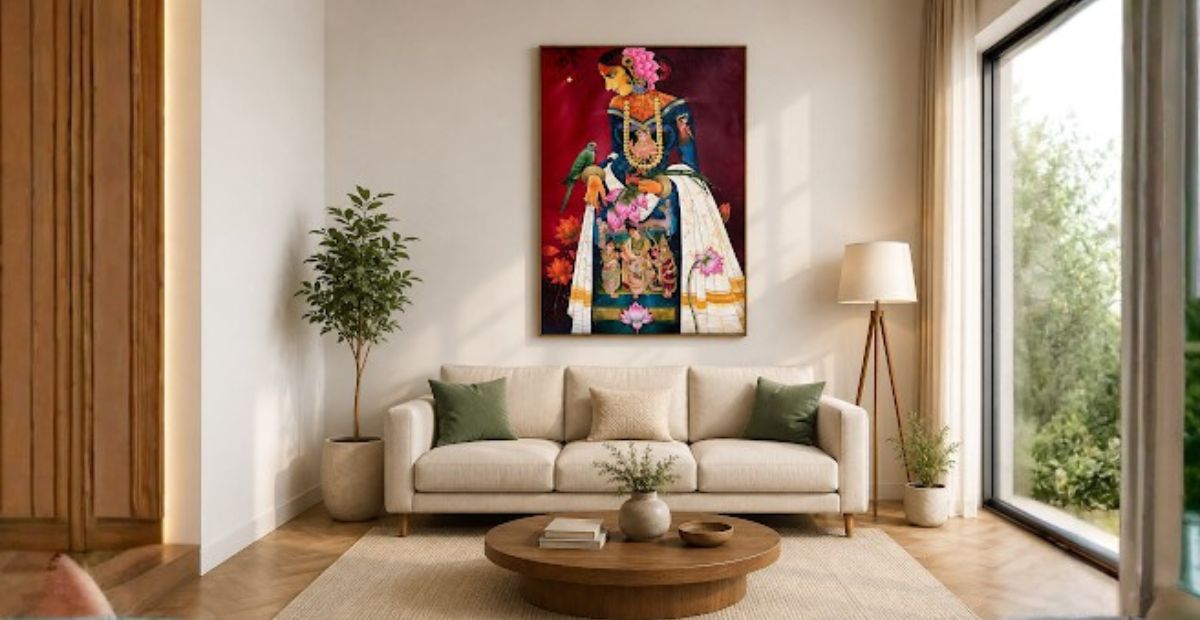
A living room can lose its sense of calm when every wall, surface, and corner
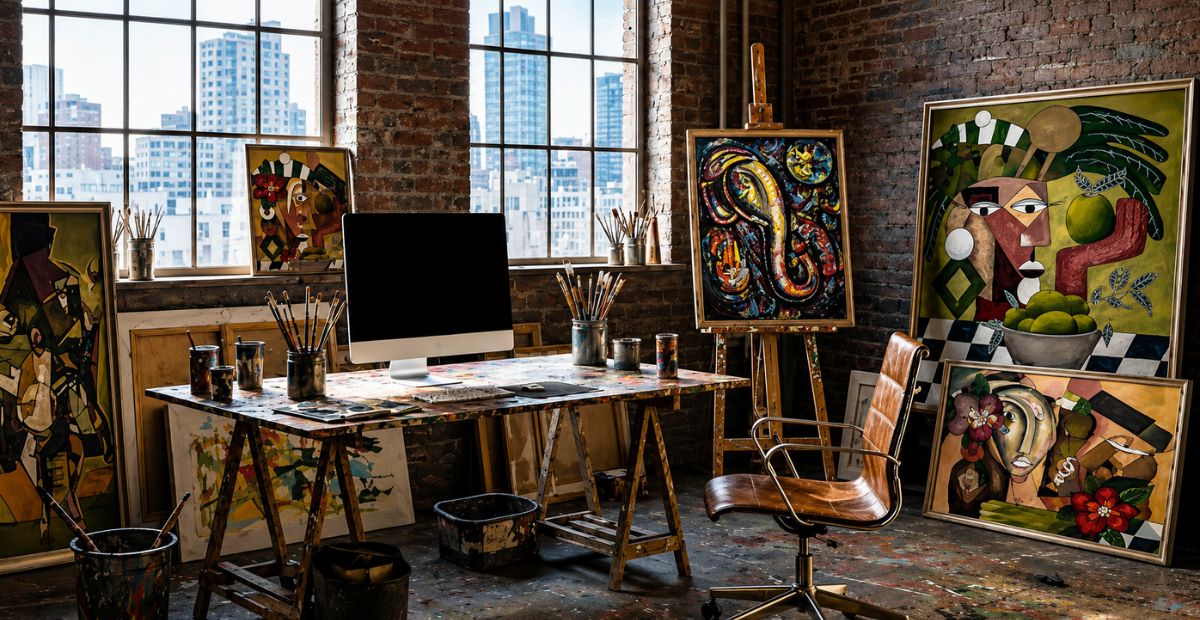
An Online Art Gallery experience feels truly satisfying when it helps you do three things
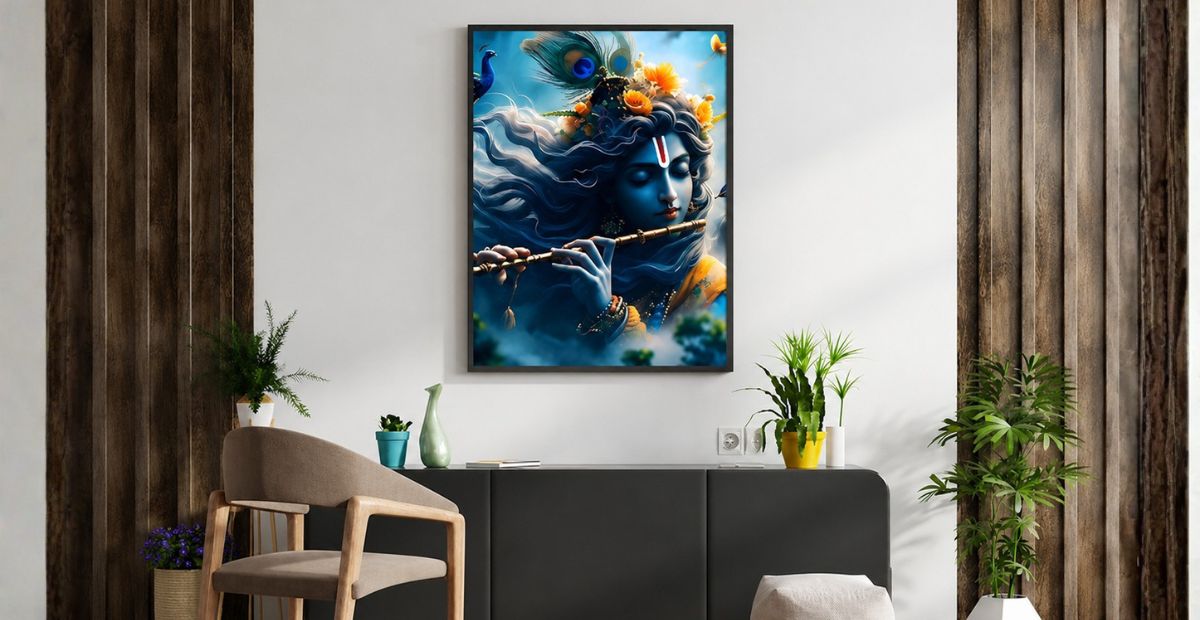
Handmade Painting of Lord Krishna as a Gift of Blessings and Beauty A meaningful gift