
Indian Artistry: 10 Distinct Types of Paintings in India You Should Know About

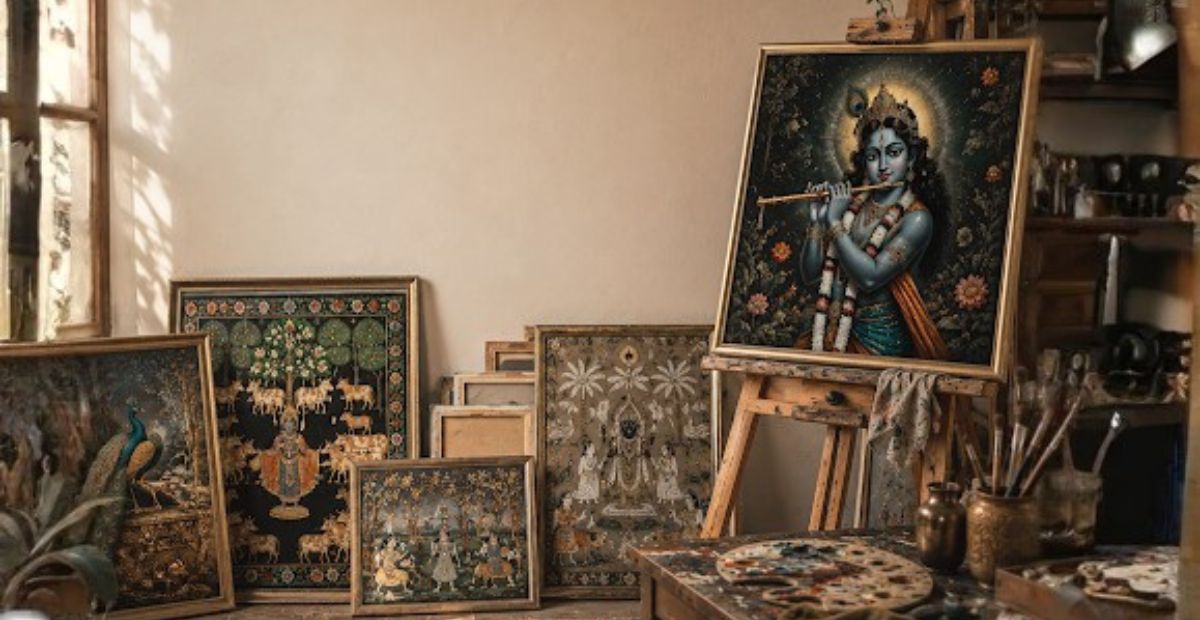
India’s painting traditions are not just “old styles” preserved in museums, they are living visual languages that still shape how people decorate, gift, and collect art today. From folk storytelling on village walls to intricate court-inspired miniatures, each form carries its own materials, motifs, and mood.
If you are exploring Indian Art Online, this guide will help you recognise the differences quickly and choose styles that actually suit your space. In this blog, we are going to study how ten distinct painting types developed across regions, what makes each one easy to identify, and where they tend to look best in real-world settings. You will also learn what to look for when selecting Authentic Paintings so the piece feels crafted and meaningful, not generic.
Roots Of Regional Styles
Indian painting styles often grew from daily life, rituals, and storytelling, which is why they still feel emotionally familiar. Many forms began as wall or textile traditions, then moved to paper and canvas so they could travel beyond their original communities.
A practical way to understand regional art is to look at what shaped it:
- Local myths and epics that became repeatable visual themes
- Natural surroundings like forests, rivers, animals, and village scenes
- Materials available in the region, from mineral pigments to cloth and paper
- Community use, such as festivals, weddings, and seasonal ceremonies
When you view Indian artistry through this lens, each style becomes easier to spot. You are not just seeing “patterns,” you are seeing how a region speaks through line, colour, and symbolism.
Madhubani And Warli Icons
1) Madhubani (Mithila Art)
Known for dense patterning, bold outlines, and symbolic motifs like fish, lotus, birds, and divine figures. Madhubani works beautifully as a focal wall piece because it holds attention even from a distance.
2) Warli
Warli is visually minimal but powerful. It often uses simple white figures on earthy backgrounds, showing village life, farming, dance, and community scenes. It suits modern spaces because the palette feels calm and architectural.
Where they work well:
- Madhubani: living room feature walls, statement corners, gifting for family occasions
- Warli: corridors, office lounges, entry walls, spaces with neutral furniture
If you are choosing art for a calm, modern interior, Warli can feel effortless. If you want something richer and more detailed, Madhubani brings more visual energy without looking loud.
Storytelling Folk Traditions
3) Gond
Gond paintings often feature nature-driven storytelling, with stylised animals, birds, trees, and dotted pattern textures. They feel lively, optimistic, and warm.
4) Phad
Originating from Rajasthan, Phad is traditionally narrative art that tells stories of folk deities and heroes. It is detailed and scene-heavy, which makes it ideal for longer walls where viewers can linger.
5) Pattachitra
Pattachitra is known for fine linework, mythological narratives, decorative borders, and strong traditional colour palettes. It looks polished and ceremonial, making it a strong gifting option.
A quick placement tip: narrative-heavy styles like Phad and Pattachitra work best where people naturally pause, such as a hallway end wall, a reading nook, or an office reception wall where visitors wait for a few minutes.
Which Style Suits Your Space?
If you are choosing between multiple Indian styles, the easiest way is to start with the room’s role, not the artwork. A reception wall needs clarity and presence. A bedroom needs calm. A dining area can handle richer storytelling.
A simple answer-first approach:
- For bold focal walls, choose detailed styles like Madhubani, Pattachitra, or Tanjore
- For minimal modern interiors, choose Warli or contemporary monochrome abstracts
- For creative warmth, choose Gond or Kalamkari-inspired compositions
- For long corridors, consider narrative formats like Phad or a matched set
Many people styling larger spaces look for best Indian painting styles for office reception walls because reception areas need art that feels welcoming and intentional without distracting the space.
Classical And Temple Arts
6) Tanjore (Thanjavur)
Tanjore paintings are known for rich colours, devotional themes, and a distinct raised look with gold foil work. They suit formal settings and prayer spaces, but they also work in premium living rooms when framed well.
7) Kalamkari
Kalamkari is traditionally linked to hand-drawn or block-printed storytelling on cloth, often featuring mythological or nature themes. Kalamkari-inspired painted works look excellent in spaces with earthy décor, wood, and warm textiles.
8) Kerala Mural
Kerala mural-style paintings are bold, dramatic, and deeply rooted in temple traditions. They use expressive faces, layered colour, and mythological storytelling.
Where these shine:
- Prayer rooms and entry spaces for devotional themes
- Dining areas where richer colour adds warmth
- Formal living rooms where the art is meant to feel “heirloom”
If the space already has a lot of colour, choose a calmer composition. If the room is neutral, these styles can become the signature visual element.
Miniatures And Royal Schools
9) Indian Miniature Paintings (Rajasthani, Mughal-inspired schools)
Miniatures are known for fine detail, layered storytelling, and courtly themes like royal processions, gardens, music, and mythology. They are smaller in scale by nature, which means they look best as curated pieces rather than oversized wall anchors.
How to use them well:
- Frame them with generous matting so they feel premium
- Use pairs or trios to create a gallery effect
- Place them where close viewing is natural, like corridors, studies, or lounge corners
For buyers planning types of traditional Indian paintings for living room decor, miniatures often work best as a curated cluster rather than a single small piece on a large wall.
Contemporary Indian Expression
10) Modern Contemporary Abstracts (Indian-led themes)
Contemporary abstract art in India often blends modern composition with hints of tradition, such as motif-inspired geometry, temple colour palettes, or folk-style pattern cues. This is the easiest category to fit into modern apartments and corporate interiors.
If you are browsing Indian Paintings For Sale, contemporary abstracts can be the most flexible choice because they adapt to many furniture styles and lighting conditions. They also work well as gifting when you do not know the recipient’s exact traditional preference.
A practical styling tip:
- In bright rooms, choose stronger contrast so the art does not look washed out
- In dim rooms, choose warmer tones or textured finishes so the piece still feels present
- For wide walls, choose one large canvas or a balanced set rather than a small standalone piece
Bringing Indian Art Home
Indian painting traditions endure because they do more than decorate. They carry stories, craft, and identity into everyday spaces, whether that is a living room wall, a calm entry corner, or a professional reception area.
When choosing Authentic Paintings, focus on craftsmanship, expression, and finishing, since those details are what make a piece feel truly collected rather than simply purchased. Exploring Indian Art Online can help you compare styles quickly, but it is still worth matching the painting to the room’s purpose and viewing distance. If you are looking through Indian Paintings For Sale through an Art Gallery, keep your wall size, lighting, and placement spot in mind so the final choice feels effortless and correct.
At Kalashree Art, our team curates handmade pieces with real homes and real offices in mind, so you can choose a style that fits your space and gift a work that feels meaningful long after it is unwrapped.
Frequently Asked Questions
Question: How do I know which Indian painting style will suit my living room best?
Answer: Start with your room’s mood and layout. If you want a bold focal point, Madhubani, Pattachitra, or Kerala mural styles add strong presence. If your living room is minimal and neutral, Warli or contemporary abstracts often feel more natural. Measure the wall, note your viewing distance from the sofa, and choose a size that looks balanced. A style that feels beautiful up close should also read clearly from across the room.
Question: What should I look for to make sure I am buying an authentic handmade painting?
Answer: Look for signs of careful craftsmanship rather than perfect uniformity. Hand-painted work usually shows subtle variation in line pressure, pattern rhythm, and layering. Check the finishing, edges, and overall composition balance. If the artwork includes intricate detail, it should feel intentional, not rushed. It also helps to understand the style’s typical motifs and borders, so you can recognise whether the piece respects the tradition instead of copying it superficially.
Question: Are traditional Indian paintings suitable for office interiors and reception areas?
Answer: Yes, as long as the style matches the space. Reception areas often benefit from artwork that feels welcoming and readable from a distance, such as Warli, Gond, or balanced contemporary abstracts. Detailed narrative styles like Phad or Pattachitra can also work well if the wall is large and visitors have time to view the piece. Keep lighting in mind, since glare can flatten contrast and reduce the impact of fine details.
Question: How should I choose the right painting size when shopping online?
Answer: Measure the wall’s usable space first, not just the full wall. If the painting goes above furniture, aim for a width around two thirds of that furniture piece. For standalone feature walls, artwork that fills two thirds to three quarters of the open width usually looks balanced. Save a photo of the wall and note viewing distance, since small art can disappear on wide walls. Having these numbers ready makes online selection much more accurate.
Question: Can I mix multiple Indian painting styles in one home without it looking messy?
Answer: You can, as long as you create a clear plan. Use one style as the main focal point, then place other styles in secondary areas like corridors or reading corners. Keep frames consistent to unify the look, and avoid placing two highly detailed narrative styles side-by-side on the same wall. Mixing a minimal style like Warli with a richer style like Madhubani often works well because the contrast feels intentional, not cluttered.
Related Posts
KEY POINTS: Online buying becomes easier when the purpose of the artwork is clear A
KEY POINTS: Affordable art can still make a home feel thoughtful and complete A painting
KEY POINTS: Handmade artwork can give a plain room a clearer sense of identity A
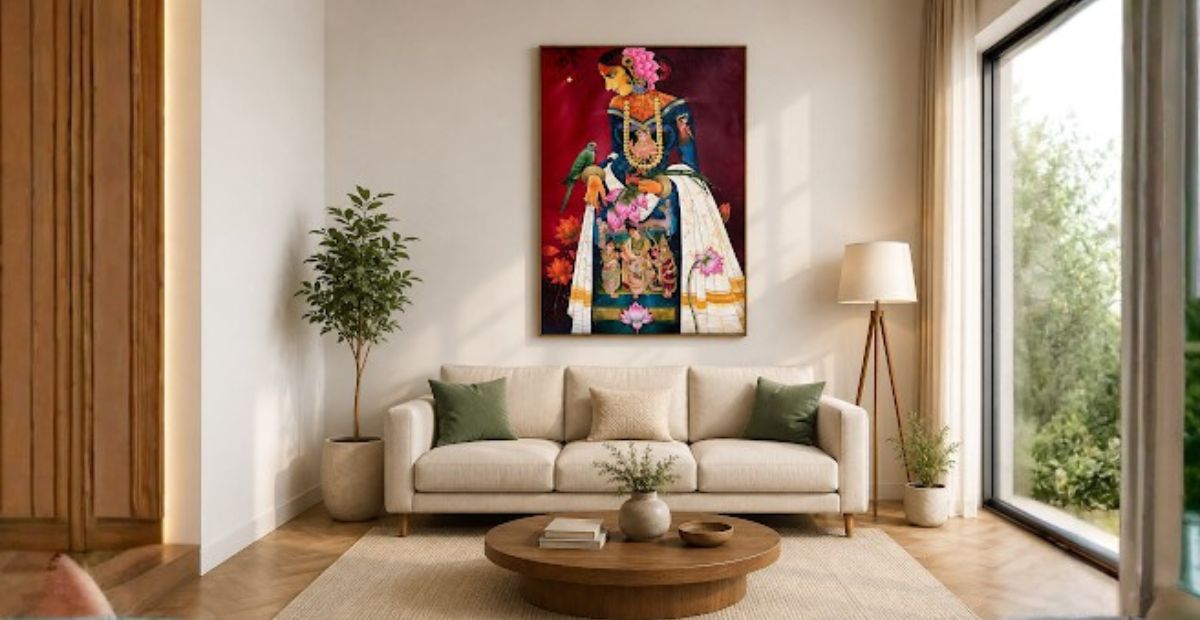
A living room can lose its sense of calm when every wall, surface, and corner
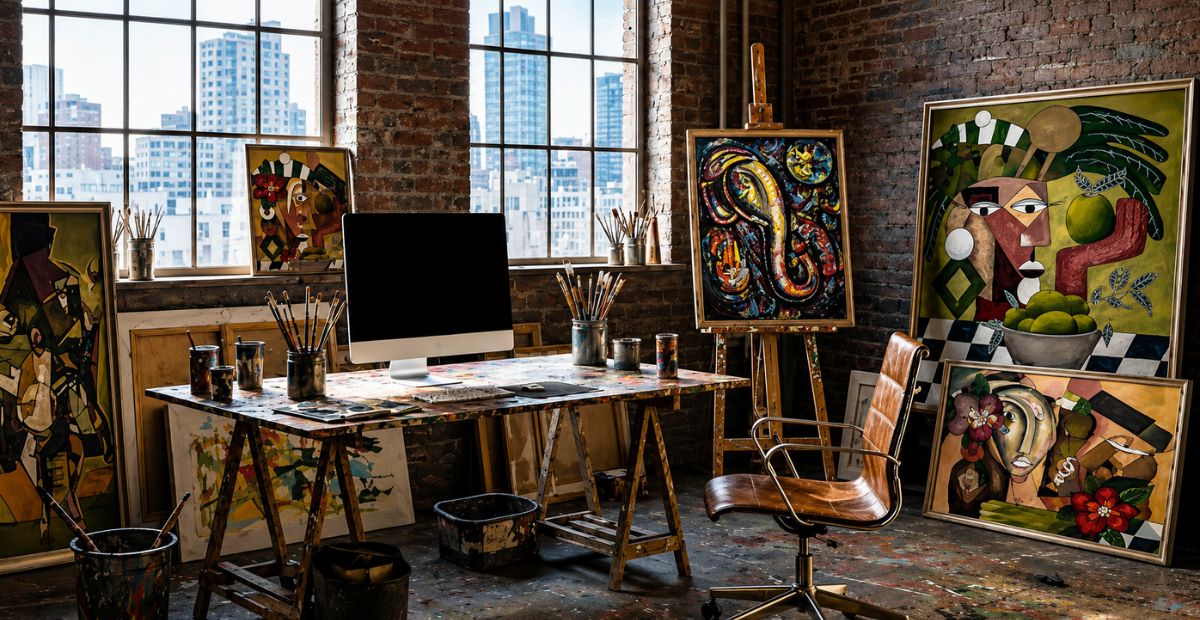
An Online Art Gallery experience feels truly satisfying when it helps you do three things
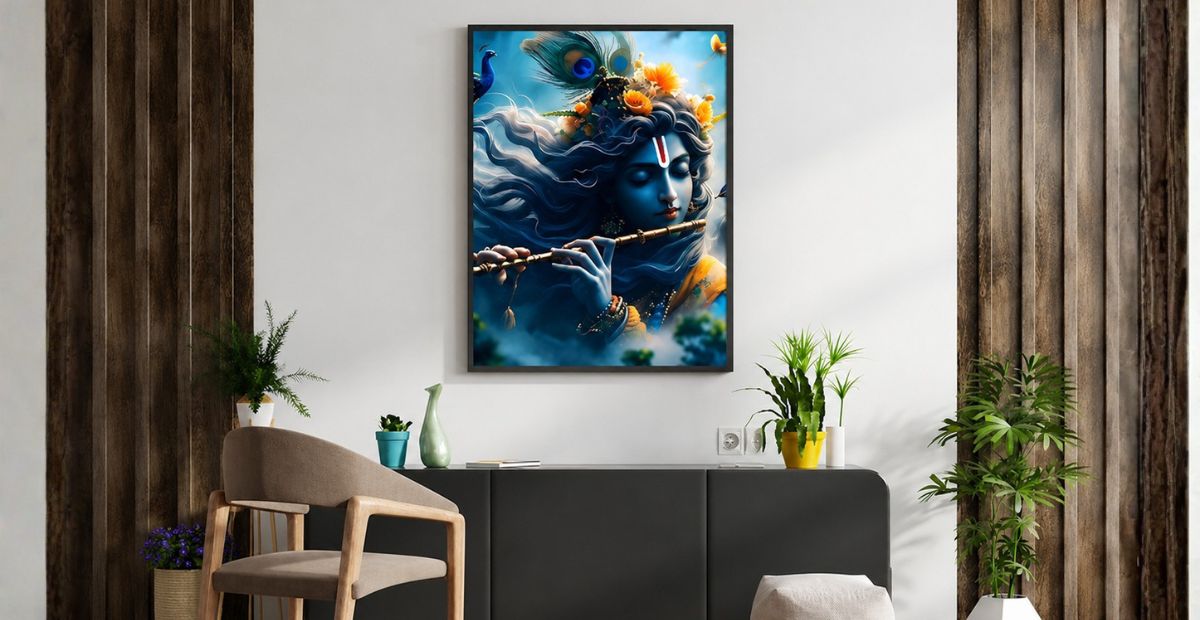
Handmade Painting of Lord Krishna as a Gift of Blessings and Beauty A meaningful gift