
Canvas vs Paper vs Board: Which Painting Format Should You Buy for Long-Term Display?

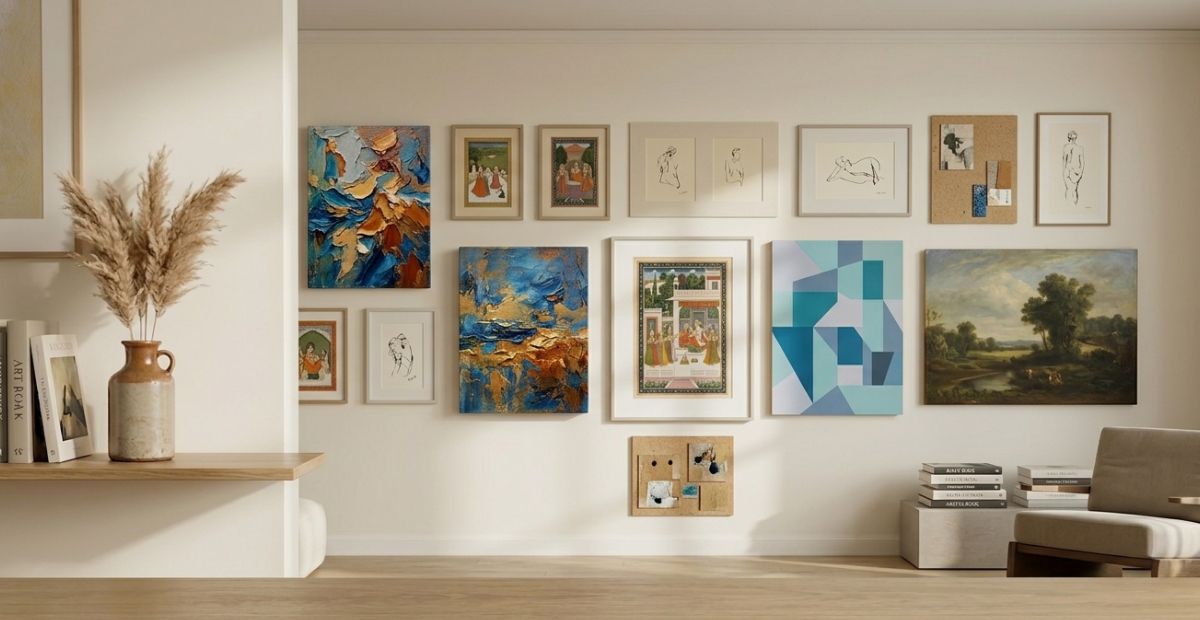
If you have ever bought a painting you loved, only to watch it warp slightly, fade faster than expected, or feel “too delicate” for the spot you chose, you already know that format matters. Canvas, paper, and board each behave differently over time, especially in real Indian homes and offices where light, dust, heat, and humidity can change through the year.
A practical Hand Made Painting For Wall should look good on day one and stay stable for years without constant worry. In this blog, we are going to study how canvas, paper, and board compare for long-term display, what to choose for different rooms, and how to spot quality when you are investing in Authentic Paintings. You will leave with clear, room-friendly guidance instead of guesswork.
How Format Impacts Longevity
The “best” format is not the same for every space. Longevity depends on how the artwork is made, but also where it lives. A painting placed near a sunny window will age differently from one in a shaded corridor. A piece in an air-conditioned office will behave differently from one in a kitchen-adjacent dining area.
When you are choosing for long-term display, pay attention to:
- Exposure to direct sunlight or harsh artificial lighting
- Humidity shifts (especially during monsoon months)
- Dust and airflow from open windows and fans
- Wall vibration near doors, stairways, or busy corridors
This is why comparing formats is worth the time. It is not only about appearance. It is about how the artwork holds its shape and finish.
Why Canvas Is Popular
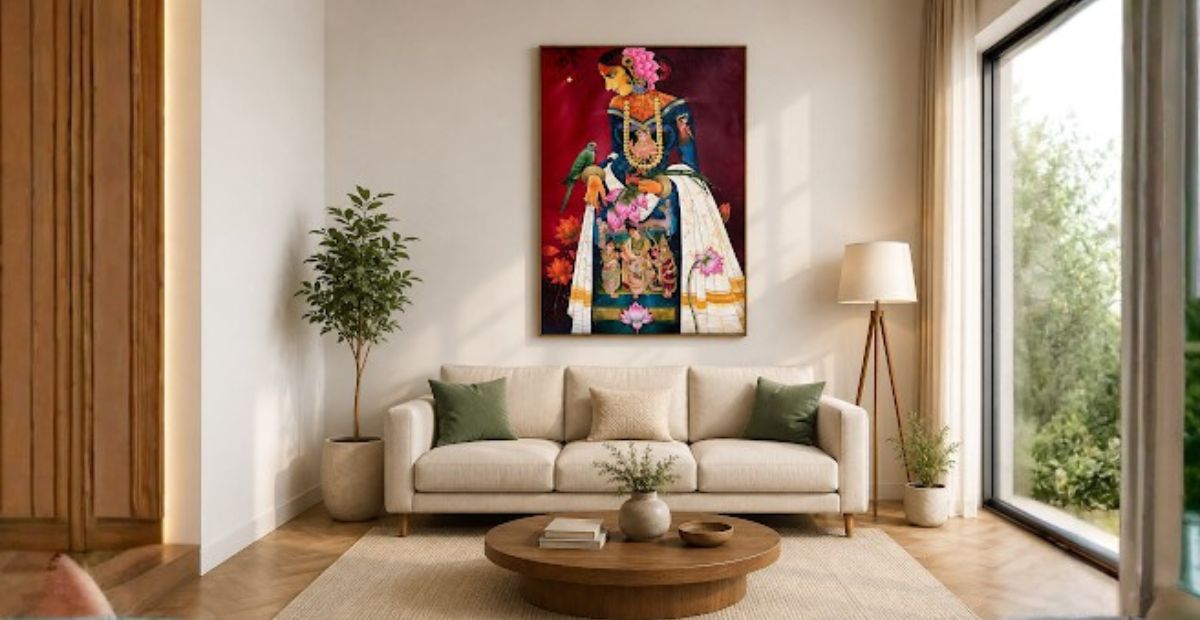
Canvas is the most common choice for a reason. It is durable, lightweight, easy to hang, and it gives paintings a natural “presence” on the wall. A Handmade Painting On Canvas also tends to look more substantial than paper art at the same size, especially for living rooms and offices where the wall needs a confident focal point.
Canvas is a strong fit when:
- you want a larger piece that should not feel flimsy
- the wall is a feature wall behind seating or a reception desk
- you prefer a textured, painterly surface that catches light softly
A real-life example: a medium-to-large abstract placed behind a sofa can look underwhelming on thin paper unless it is heavily framed. On canvas, the same artwork usually feels more anchored and complete.
What Paper Does Best
Paper is often underestimated because people associate it with fragility. In reality, paper can be excellent for certain styles and spaces, especially when it is well-framed and protected. It is a great option if you want fine linework, detailed illustration, or smaller curated pieces you plan to display as a set.
Paper works especially well when:
- you want delicate detail, clean lines, or softer washes
- you are building a gallery wall with multiple smaller pieces
- you prefer artwork that feels lighter and more minimal
The key is protection. For long-term display, paper usually needs proper framing, stable backing, and glass or acrylic protection. If you skip that, paper becomes more vulnerable to moisture, curling, and fading.
Board For Everyday Spaces
Board sits in the middle ground. It is more rigid than paper, but often slimmer and easier to manage than a stretched canvas. Many people like board-based paintings for spaces where they want stability without the bulk of a deep canvas frame.
Board can be a smart choice when:
- the wall space is narrow and you want something flatter
- you need a cleaner edge for modern interiors
- you want a piece that feels sturdy without heavy framing
For practical use, board is often comfortable in corridors, study corners, or compact office walls. It can also work well in rooms where you want art to feel present but not dominate the layout.
Which Format Fits Your Room?
Which painting format lasts best in Indian homes and offices?
For most rooms, canvas is the safest long-term bet because it holds presence and handles everyday conditions well. Paper can last just as long, but it depends heavily on framing and protection. Board is a good middle option when you want rigidity and a slimmer profile.
Room-by-room guidance that tends to work:
- Living rooms and reception areas: canvas for scale and visual strength
- Bedrooms and study corners: paper or board if you want a softer, lighter look
- Hallways and narrow walls: board or framed paper for a cleaner silhouette
- High-traffic office spaces: canvas or board for durability and easy hanging
Many buyers ask what is the best painting surface for long term wall display because the correct answer depends on placement, not only on the material itself.
How To Spot Quality
Format matters, but quality matters more. A well-made piece on paper can outlast a poorly made canvas. When you are choosing Authentic Paintings, look for signs of careful construction and finishing.
Practical things to check:
- Clean edges and consistent finishing, especially on canvas corners
- Good framing or mounting for paper pieces, with stable backing
- Even colour application and confident linework, not rushed detailing
- Protective finishes that suit the medium without making it look glossy or cheap
If you plan to Buy Canvas Paintings Online, look closely at size details, mounting information, and product photos that show edges or surface texture. Another helpful consideration is framing choices for paper pieces, since framing quality can decide whether paper art lasts or deteriorates.
In Indian weather, it’s worth knowing how to protect paper paintings from humidity in India, because proper framing and a dry placement spot can prevent curling and rippling.
Choosing With Confidence
A format decision becomes easy once you match it to real life. If the artwork needs to be a bold focal point, canvas usually delivers the most reliable long-term result, and a Handmade Painting On Canvas can feel especially premium on larger walls. If you love fine detail and want a curated look, paper can be excellent, but only with proper framing and protection.
If you want a sturdy, slimmer option for everyday walls, board is often a comfortable middle ground. For long-lasting results, choose Authentic Paintings with careful finishing, then place them away from harsh sunlight and high moisture zones. And if you plan to Buy Canvas Paintings Online, measure the wall first so the piece looks intentional the moment it is hung.
At Kalashree Art, our team helps clients choose the right medium for the room, so your Hand Made Painting For Wall feels stable, well-placed, and genuinely built to last.
Frequently Asked Questions
Question: Is canvas always better than paper for long-term display?
Answer: Not always, but canvas is usually the safest option for most walls because it is durable, easy to hang, and holds its shape well in everyday conditions. Paper can last for years too, especially if it is framed properly with stable backing and protective glass or acrylic. If paper is left unprotected or placed in humid areas, it can curl or fade faster. The best choice depends on placement and protection.
Question: How do I choose between board and canvas for office interiors?
Answer: For offices, think about wall size and traffic. Canvas works well for reception walls and meeting rooms because it has strong visual presence and feels premium at larger sizes. Board can be excellent for corridors, cabins, and narrower walls where you want a flatter profile and a cleaner edge. If the wall is touched often or exposed to airflow and dust, both canvas and board tend to be easier to maintain than unframed paper.
Question: What is the safest way to frame paper paintings for durability?
Answer: Use stable backing and a frame that keeps the artwork secure without pressing directly onto the surface. Protective glass or acrylic helps prevent dust buildup and reduces the risk of moisture damage. If the painting is valuable or highly detailed, consider acid-free mounting materials to avoid long-term yellowing. Also avoid placing framed paper art in direct sunlight, because UV exposure can fade pigments over time.
Question: Where should I avoid hanging paintings to prevent damage over time?
Answer: Avoid direct sunlight, especially on walls that get strong afternoon light, because it can fade colours and weaken finishes. Stay away from damp zones such as near bathrooms, poorly ventilated corners, or walls that collect moisture during monsoons. Kitchens can also be risky due to heat and airborne oil particles. Even in offices, placing art under harsh ceiling glare can dull contrast and reduce the artwork’s visual impact.
Question: What should I check before I buy paintings online to make sure they last?
Answer: Confirm the exact size, medium, and finishing details, and look for photos that show edges or surface texture. For canvas, check if it is stretched properly and whether the corners look clean and stable. For paper, check if it is framed or at least mounted safely, and plan for framing costs if it is not included. For board, confirm rigidity and hanging hardware so installation feels secure from day one.
Related Posts
KEY POINTS: Online buying becomes easier when the purpose of the artwork is clear A
KEY POINTS: Affordable art can still make a home feel thoughtful and complete A painting
KEY POINTS: Handmade artwork can give a plain room a clearer sense of identity A
A living room can lose its sense of calm when every wall, surface, and corner
An Online Art Gallery experience feels truly satisfying when it helps you do three things
Handmade Painting of Lord Krishna as a Gift of Blessings and Beauty A meaningful gift